Elora’s Longest BBQ draws visitors from far and wide
Organizers reflect on the history of the event and the importance of shopping local.


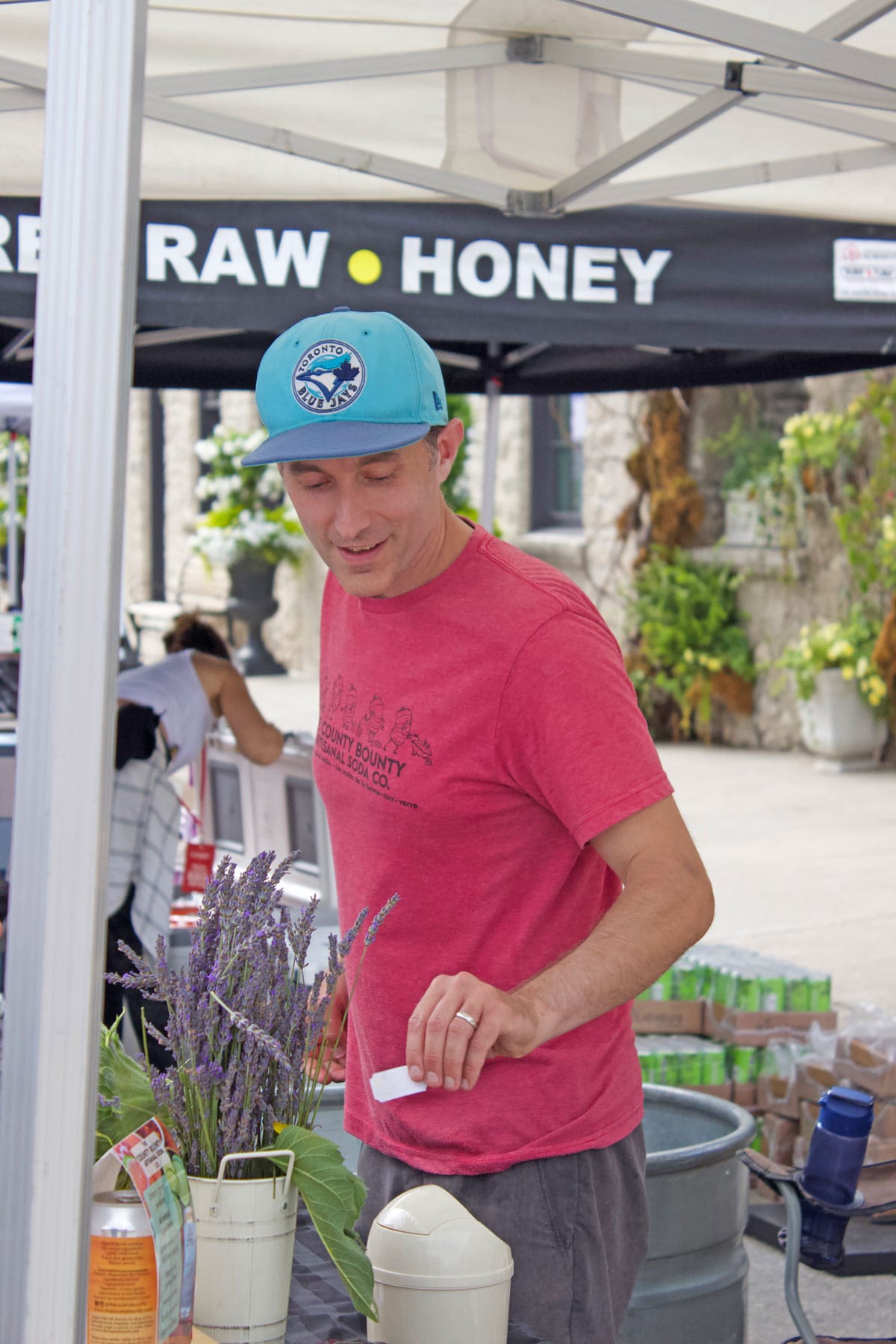
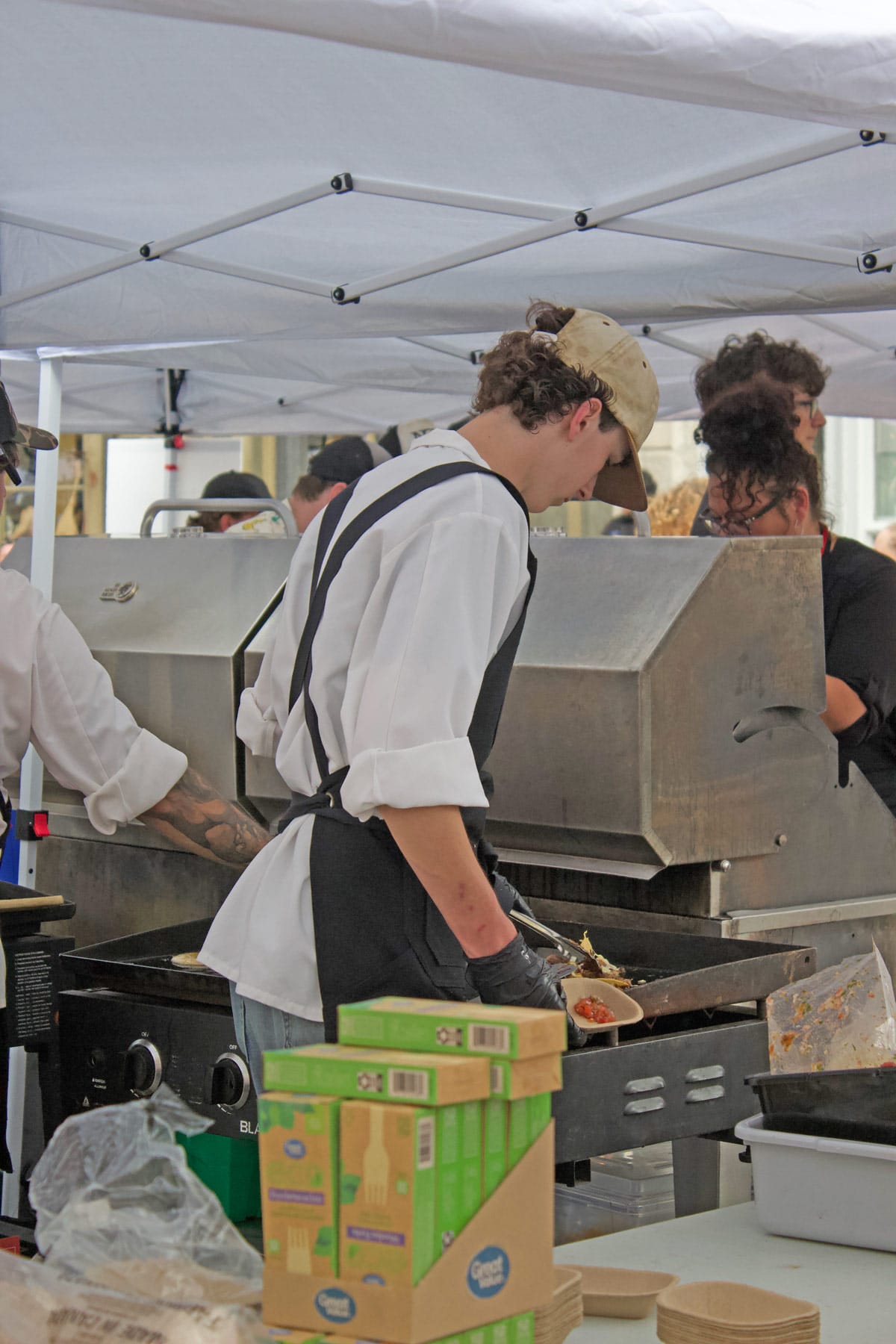
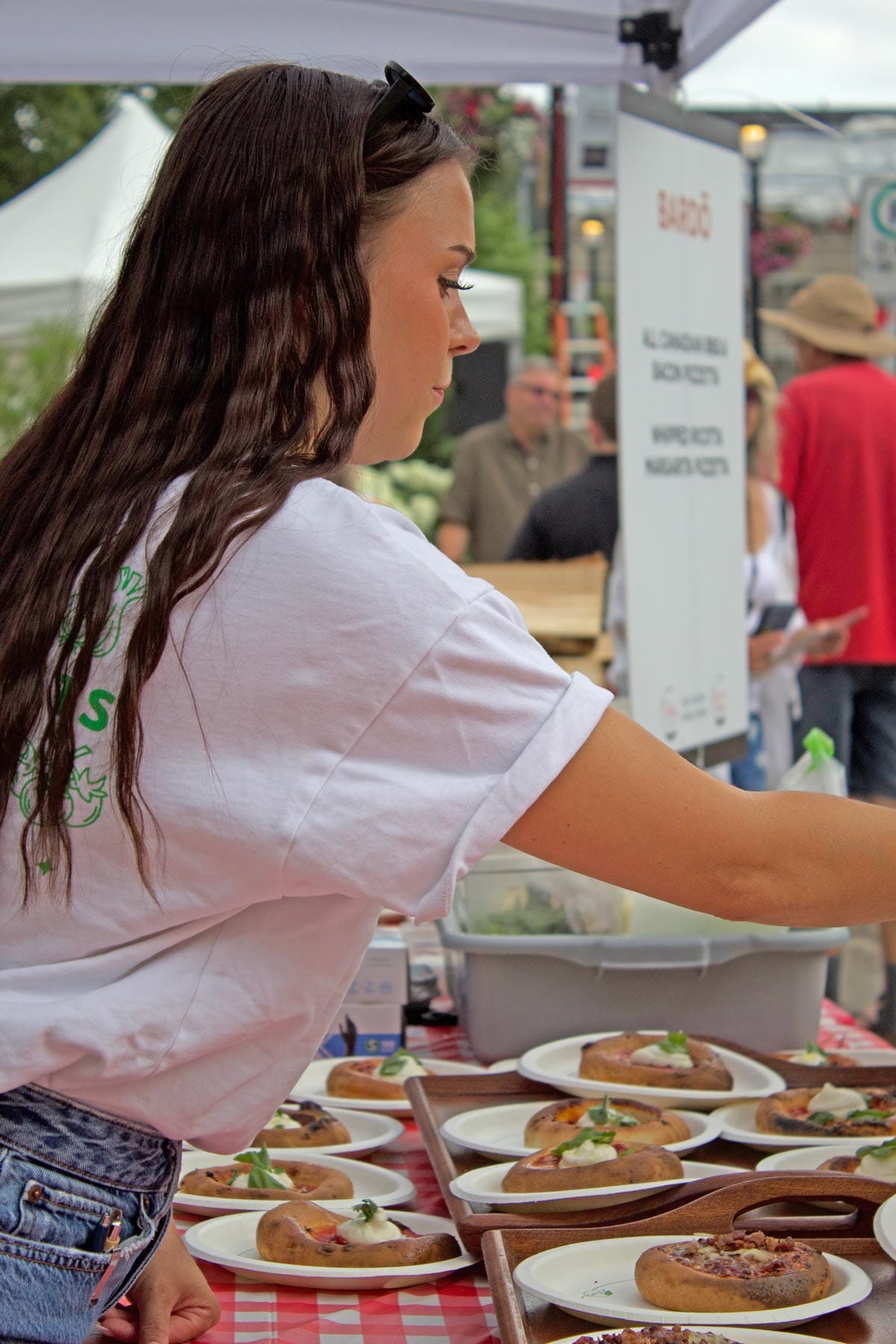
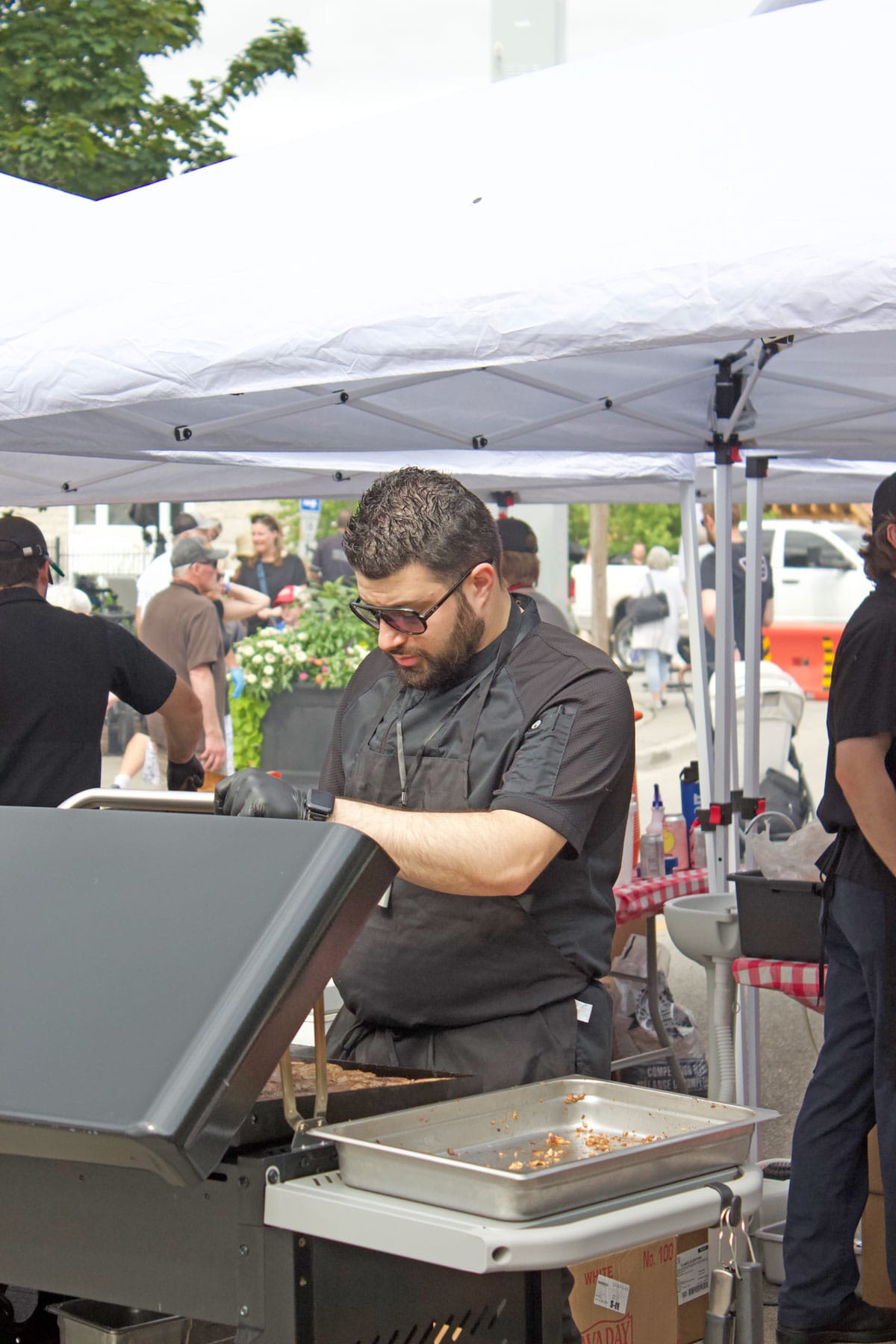
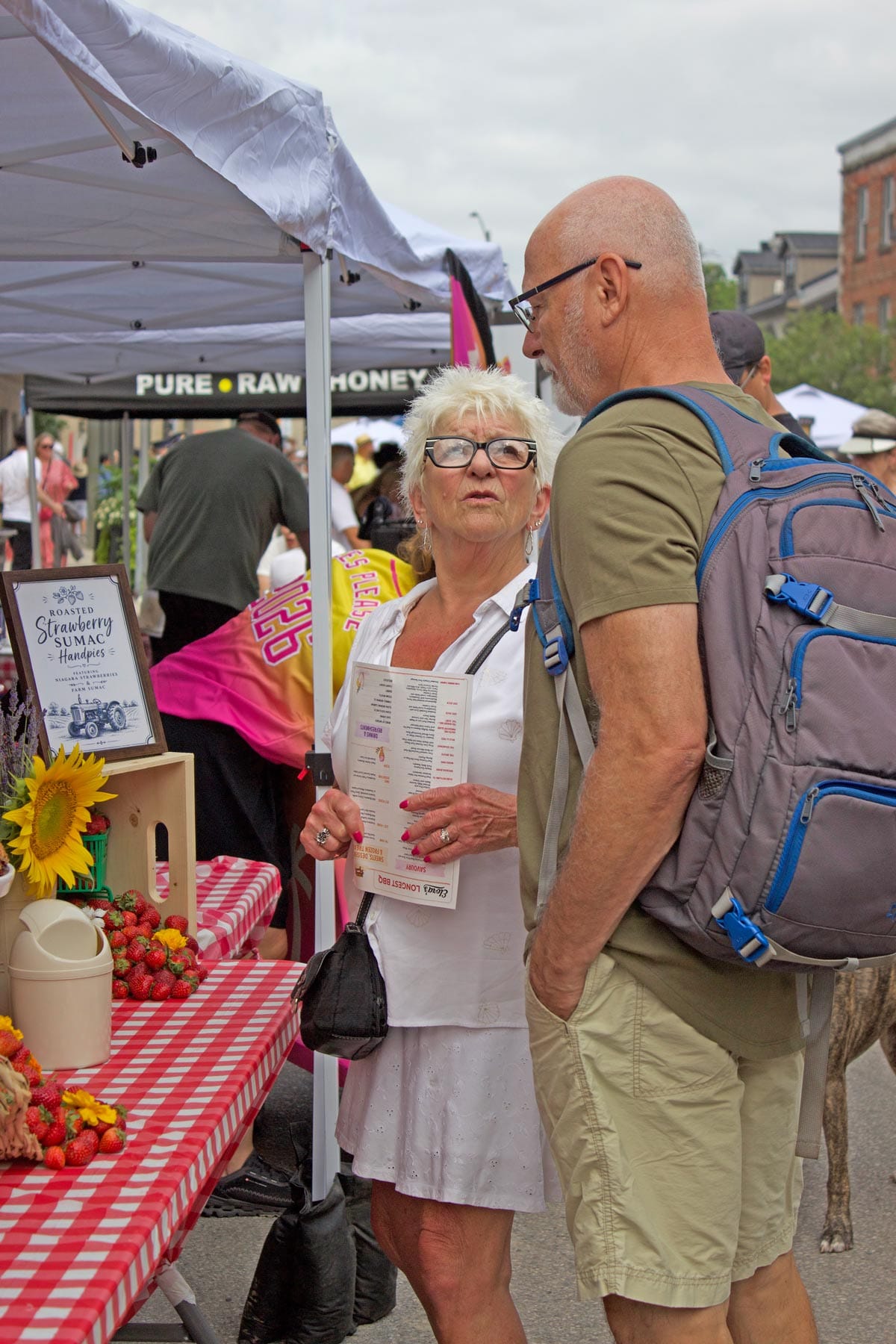
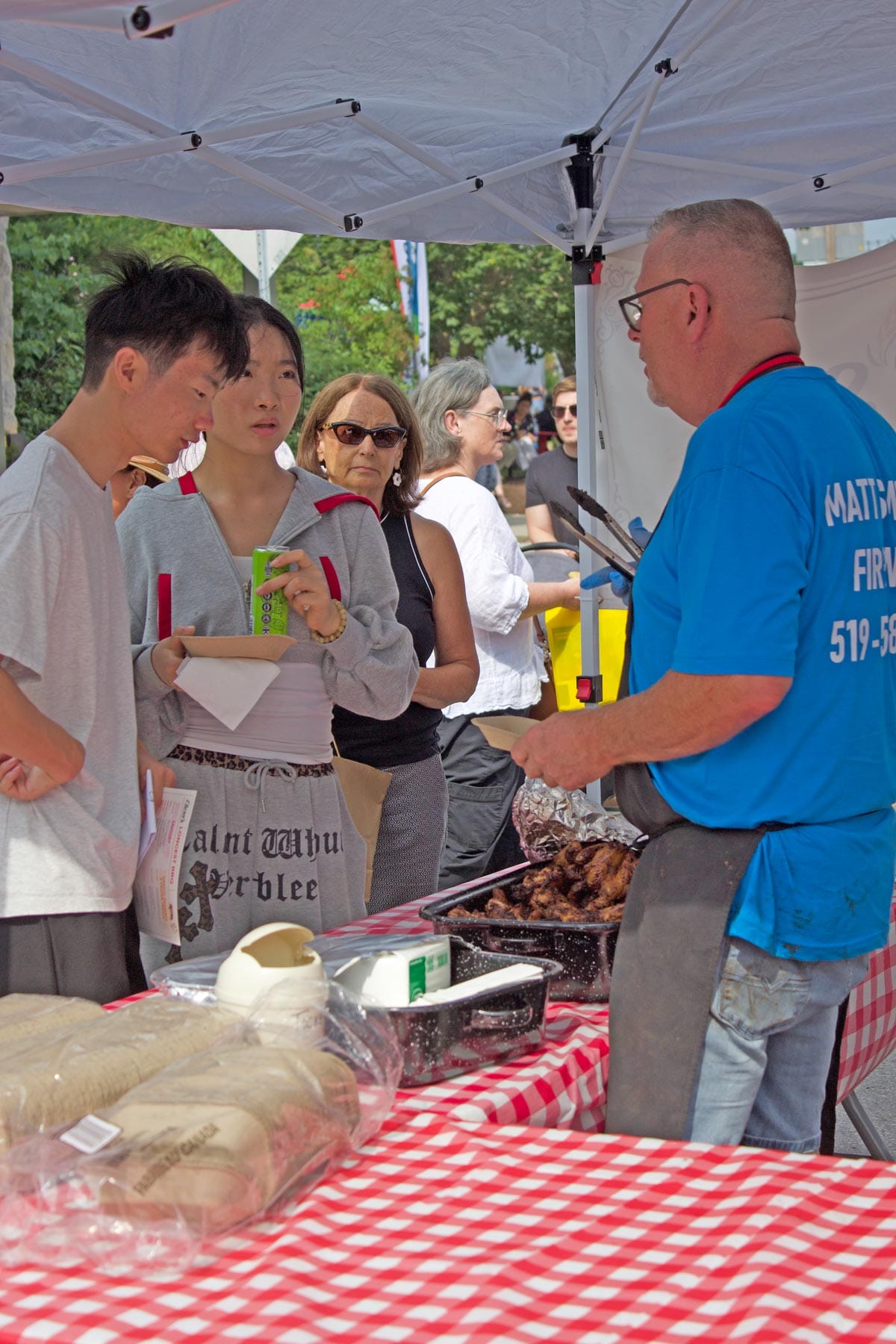
ELORA – Food Day Canada, in partnership with the Elora Mill Hotel and Restaurant, hosted this year’s Elora’s Longest BBQ last week, which saw visitors from all over Ontario and Canada.
The event was held July 28 from 4 to 10pm on either side of the Jack R. MacDonald pedestrian bridge.
“[What we like to do] is just create that opportunity for people to connect,” said Jeff Stewart, executive director for Food Day Canada.
“It’s connecting over food. It’s connecting with great stories. It’s connecting with amazing chefs and restaurants and the farms as well.”
Food Day Canada began in 2003 when Canadian beef was banned from export to the U.S. and other countries, after a single case of bovine spongiform encephalopathy or “mad cow disease” was discovered in Alberta.
Stewart’s mother, Anita Stewart, a Canadian food writer who had already published 12 books, decided then to use her platform to support struggling Canadian beef farmers.
Anita challenged chefs across the country to “put Canadian beef on the barbecue,” which Stewart says unintentionally created the “world’s longest barbecue,” with places from Fogo Island in Newfoundland all the way to Tofino, B.C. getting in on the action.
From that initial show of support for Canadian beef farmers, the event evolved into Food Day Canada.
“You know we really want to make sure that we’re always encouraging everybody to shop, cook and dine Canadian,” said Stewart.
“And the way we define Canadian food is defined by the ingredients. If it’s grown here, it’s Canadian.
“The cool thing about Canadian food is it includes so many different kinds of styles of cooking from all over the world. As long as it’s Canadian ingredients, then it’s Canadian food.”
Elora’s Longest BBQ began in 2021 as a way to honour Stewart’s mother and her legacy after she passed away in 2020. In 2021, a small tribute dinner was held in Elora for around 80 people. In 2022, the event was moved to the Elora Mill and it grew to about 300 people, but it was still fairly exclusive. Wanting a larger community event, organizers decided to move it downtown and onto Elora’s pedestrian bridge, bringing in about 10 local chefs the following year.
Organizers had planned for around 700 people, but as luck would have it, 3,000 people showed up.
“It was very much something that was resonating within the community,” said Stewart. “So we thought, you know what, let’s do it again next year, and [in 2024] it was 7,500 people.”
The 2025 event drew 12,000 visitors (numbers from last week’s event were not known by press time).
While the premise of the event has remained the same, this year’s barbecue featured a few tweaks.
Angela Simoes, executive assistant for the Elora Mill Spa and Restaurant, said this year’s event featured “elevated beer gardens” as well as a “significant increase in volunteers” – a welcome increase, she said, last year proved a tad challenging when it came to locating volunteers.
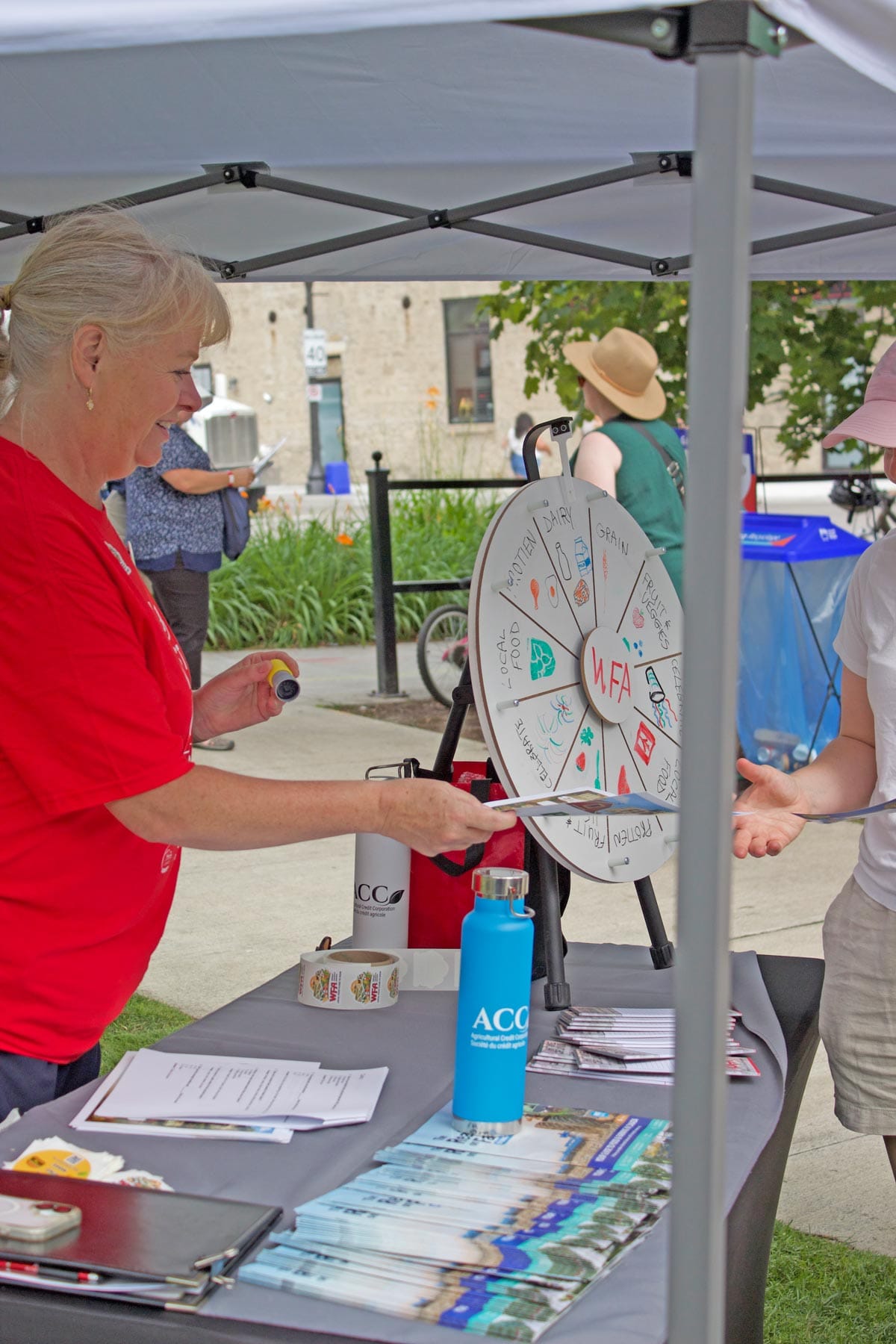
Changes were also made to the kids’ zone.
“We’ve sort of changed it from crafts and face painting to more like food literacy,” said Stewart.
Asked about the importance of shopping locally and supporting local agriculture and food businesses, Stewart said it strengthens the local economy instead of profiting big box stores or international chains.
“If you spend $1 at an international big box store, a fraction of that dollar stays in the community. You know, people get paid to work there, and that’s great that there are jobs, but most of that money leaves the community,” said Stewart.
“A lot of the money leaves the country. When you spend money in a farmers’ market, the research tells us there’s this thing called the ripple effect, and the ripple effect is how the money repeats itself in the community.”
He continued, “So you buy from a local farmer and that local farmer has to buy gas from the local gas station ... and they have to buy all these other sorts of things in the community, and the ripple effect with spending money in [the] community is 2.5 to three times ... so if you spend your grocery dollars in the community, that money stays in the community and then recirculates two to three times.”