

‘We need to reinvent ourselves’: Legions look to future as veterans’ organization turns 100
Wellington County Legions attempting to balance focus on veterans with evolution toward service-club model


WELLINGTON COUNTY – Fifty years ago the Legion hall in Mount Forest was filled with cigarette smoke and veterans trading war stories over a beer.
Walk into a modern Legion hall anywhere today and you’re more likely to find a handful of people removed by a generation or more from military service.
Mount Forest Legion member and past Ontario provincial command president Derek Moore juxtaposed the images, illustrating how Legion halls have changed as the veterans’ organization turns 100 this year.
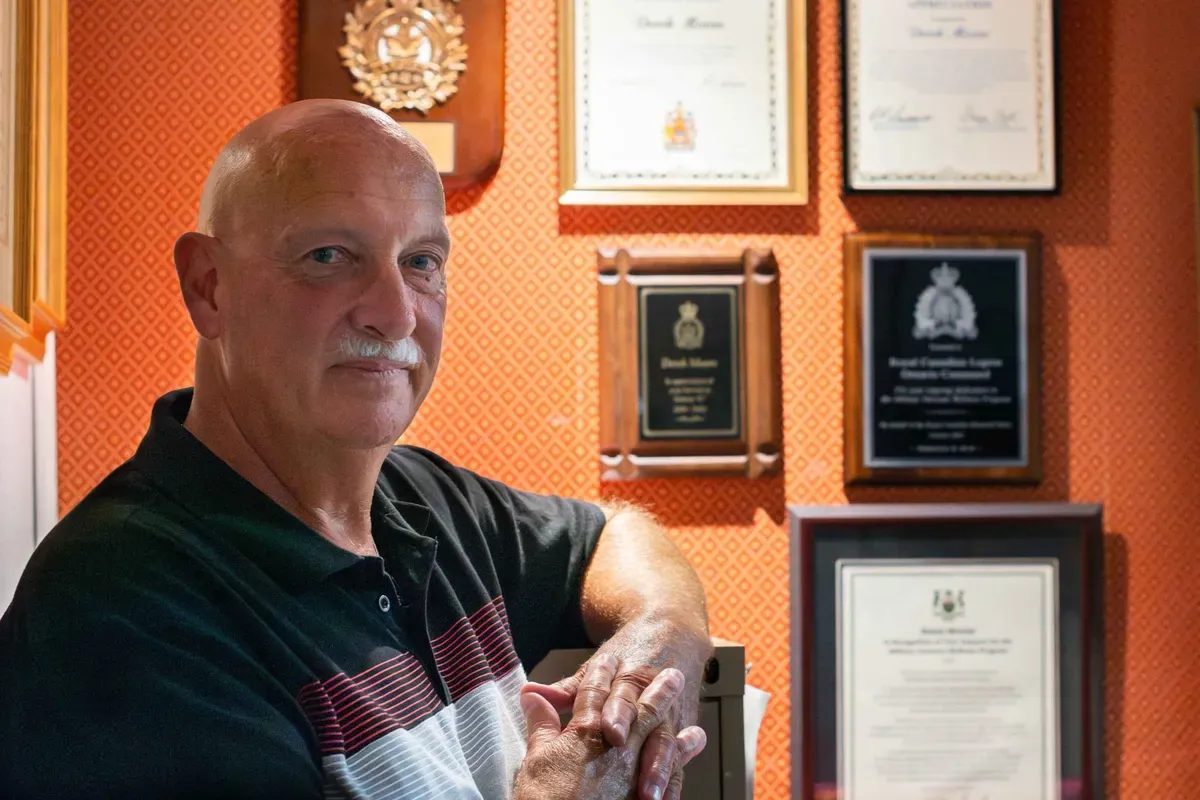
Moore recalled 50 years ago, when he first walked through the branch’s door, “The place was just full of veterans.”
“It was the World War II veterans that got us through that 100 years, that’s what the Legion was,” Moore said.
The Royal Canadian Legion has roots dating back to 1917, when the Great War Veterans’ Association was formed. In 1925-26, the modern Legion took form, charged with helping veterans, advising government and distributing poppies.
“Our mission statement is not going to change; our mission is to serve veterans,” Moore said.
Legions fundraise for veterans’ causes such as Wounded Warriors Canada and they also provide service officers who connect vets with government services; assist in veterans’ transition programs; provide financial help to veterans in need; and support local cadet groups.
But the membership demographics have changed drastically and numbers are a far cry from the more than 600,000 members the Legion had Canada-wide in the early 1980s.

In 2025, there were 100,000 members in the province, and nationwide there are currently 270,000 across 1,350 branches.
“It’s depending on people like myself, who are non-veterans, to keep this organization going for now,” Moore said.
Officials at six Legion branches in Wellington County say the Legion will never stop delivering on its missions to support veterans, young and old, and ensure the public never forgets those who gave their lives for Canada.
“Our primary focus will always remain veterans and Remembrance Day,” said Elora Legion president Don Cubbidge.
“We don’t glorify war,” he added. “What we do is emphasize the remembrance of those who served and some who have given their all for their country.”
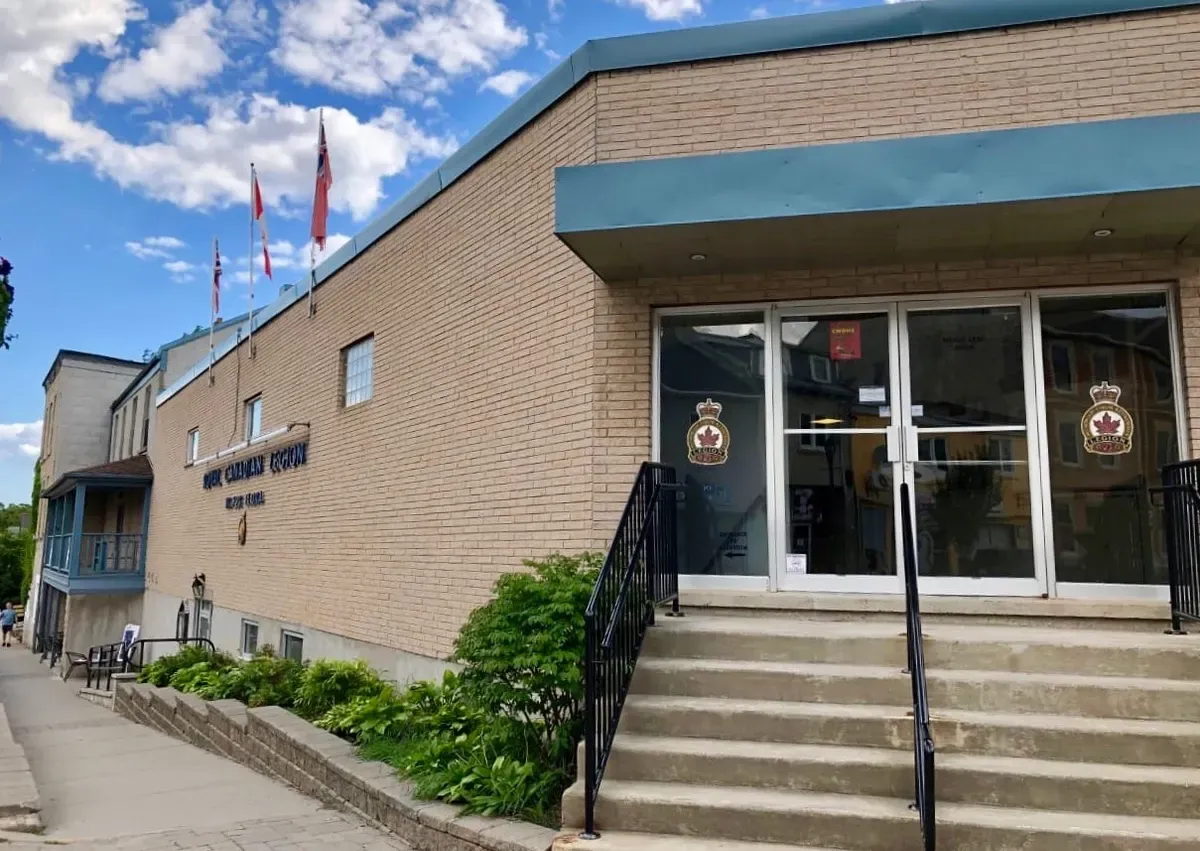
The number of veterans with military service at county branches averages around five, with some outliers in larger communities.
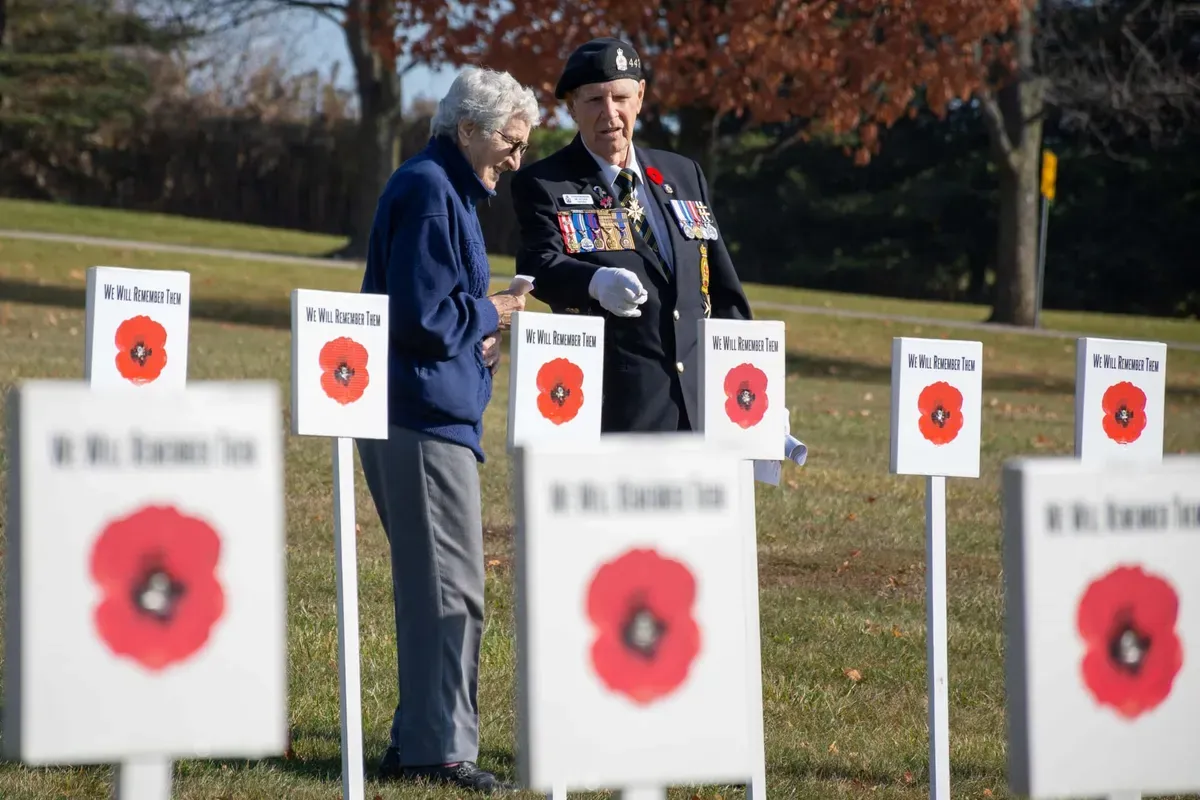
“Not too many are what I call the ‘true veterans’ anymore,” said Erin Legion veterans’ service officer Doug Kirkwood, himself one of the exceptions in the county, having served with the Lorne Scots Regiment.
With few local veterans remaining, and fewer still who are Legion members, the branches are evolving into service clubs, putting more focus on local communities through fundraising and supporting sports teams, hospitals and community groups.
“It is the largest service club in Canada,” Fergus Legion president Randy Graham said.
“The success of the Legion surviving is it becoming more and more community service oriented.”
For its centennial year, the Legion is offering free, year-long memberships at branches across the country to try and bolster numbers and introduce new members to the organization.
Graham said if branches cling to the dated notion that Legion halls are watering holes for veterans, they won’t survive.
“Legions have to change or die,” he said.
In that vein, the Fergus branch recently re-branded its hall as the Riverside Events Centre.
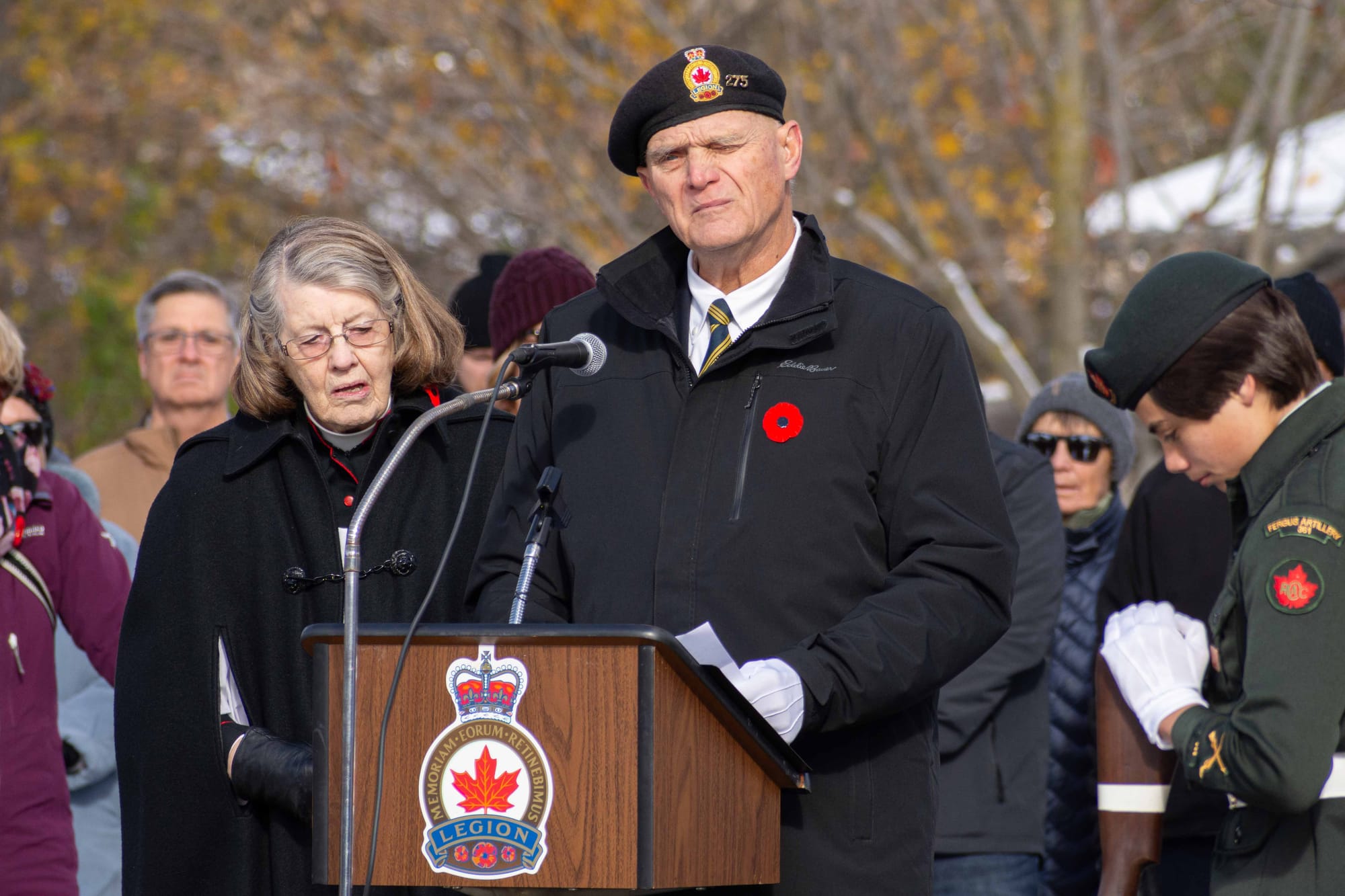
“It’s not the Legion, it’s a community events centre, and so far that strategy is working,” Graham said.
“The biggest challenge is to attract younger people, but not lose the focus of remembrance and youth education,” he added.
Moore, of the Mount Forest branch, said the Legion’s 100th is “a huge milestone” and “a turning point.”
“I think we need to reinvent ourselves in a way to suit to the next 100 years,” he said.
“I firmly believe we’ll still be around 100 years from now. I think there is a need, but how we do it, and how we approach it is going to have to change.”

