

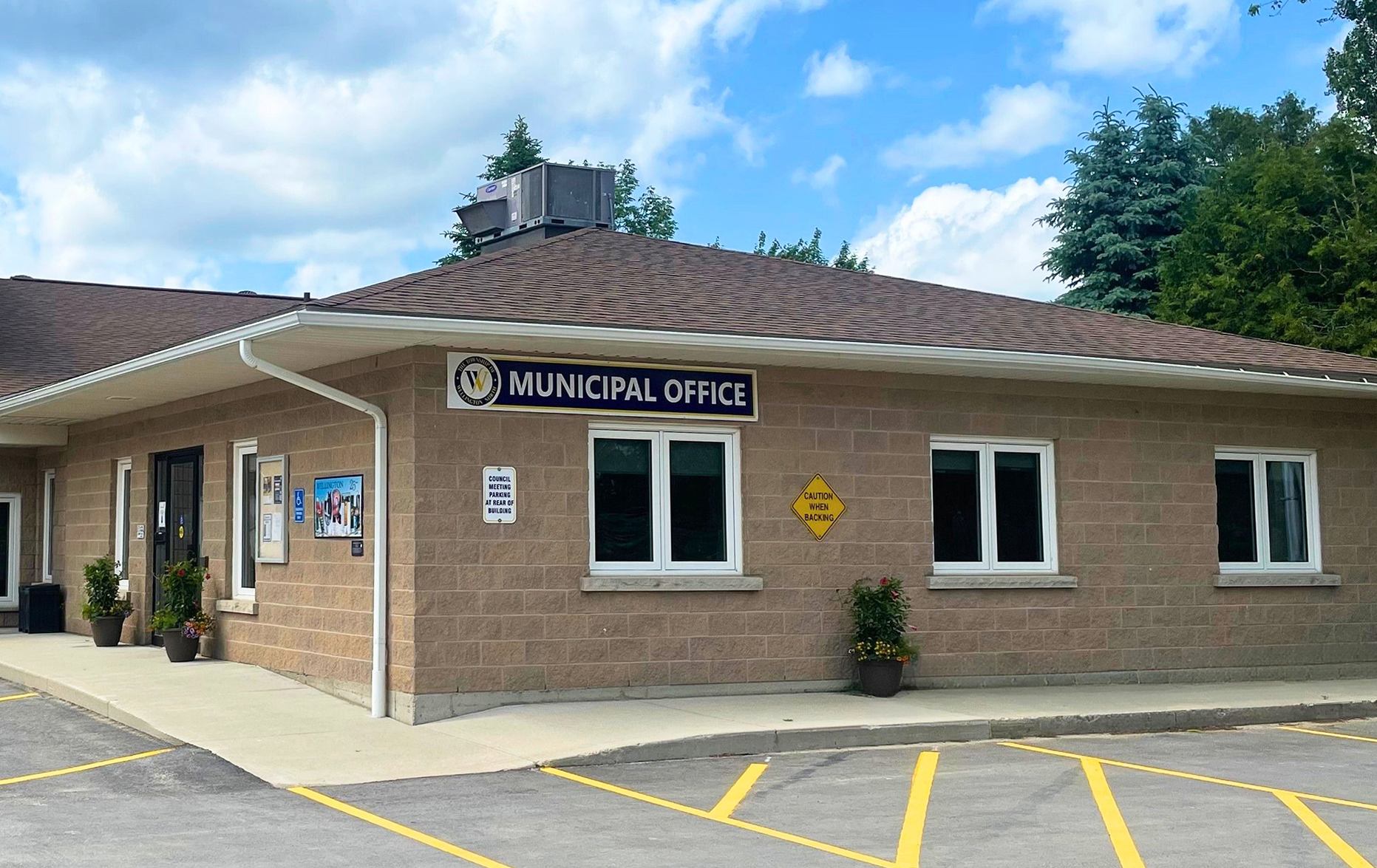
KENILWORTH – Housing developers often approach Wellington North council for amendments to bylaws, particularly when it comes to zoning.
Their requests include smallers lots, units and yards, less space between townhouse blocks and reduced parking.
These amendments allow more housing in less space, increasing profit for developers and the number of homes built during a housing crisis. But too many amendments come at a community cost, councillors say.
Council approves some amendments and rejects others, citing concerns such as space for snow storage, protecting rural charm of neighbourhoods and ensuring sufficient parking and providing sufficient space.
“Our bylaws are in place for a reason,” councillor Steve McCabe told the Advertiser.
“Developers … want to build as many houses as they can. But that doesn’t mean they can subvert our bylaws.”
Mayor Andy Lennox said the bylaws “set the stage for what we believe is the appropriate build for … our community.”
People live in Wellington North because they want a different experience from urban centres, he added.
“We are not a large urban centre and don’t really have any desire to be,” Lennox said.
“It’s a rural style of living that people are happy to have here and that people move to our communities to obtain.”
Rural communities have less amenities than urban centres, he added, so people are more dependent on their backyards.
“It’s completely appropriate that we encourage a different build from what you would find in Toronto or [Kitchener-Waterloo] or even Guelph.”
McCabe added, “Bylaws are in effect to make sure that people have a decent living space and they’re not on top of each other.”
He said, “We don’t want houses that are a postage stamp. We want people to be able to go outside and enjoy their backyard.”
Wellington North often gets more snow than the rest of the county or the City of Guelph, so larger setbacks are needed to make space to store that snow, Lennox said.
Last year, there were many issues with inadequate space for snow storage in Arthur, McCabe added.
And without a public transit system, most Wellington North residents rely on cars and need somewhere to park them, Lennox said.
“We want to keep as many cars off the roads as possible,” McCabe added, “especially in winter.”
For McCabe, zoning bylaws “provide a sense of community.”
He said “we have to maintain that,” while allowing for some diversity, including detached homes, townhouses and stacked townhouses.
“We’re at a point right now where growth is already here,” McCabe said, and some of the bylaws “haven’t caught up with where we are.”
The township is currently upgrading its comprehensive zoning bylaw.
“We want to ensure that the community that is already built and has been here in Mount Forest and Arthur is somewhat maintained,” even if growth includes apartment buildings, said McCabe.
“I like the idea of apartments … I’d rather build up than out” to avoid building on prime agricultural land, he added.
But there are limitations.
For example, Wellington North does not have an aerial fire truck needed to fight fires in tall apartment buildings.
Firefighters can use the Minto aerial truck in Harriston, but it would take a while for the truck to get to Arthur or Mount Forest.
McCabe spoke of striking a balance between protecting the sense of community through zoning and building attainable, affordable starter homes.
“We need those kinds of houses in our community,” he said, so that people who work in Wellington North can afford to live there too and “have that sense of community where you work here, live here, play here.”
“We don’t want a bedroom community,” he said.
For Lennox, the reason developers ask for amendments on so many bylaws is simple: “It’s all about trying to squeeze as many dollars out of a particular land parcel as they can.”
McCabe agreed, saying, “It’s developers’ jobs to build as many houses as they can and make as much money as they can.”
Council, however, is “not in that business,” McCabe said, and it’s their job to ensure “a livability in our community.”
Certain amendments are acceptable, Lennox said, when they involve small changes that help things fit but “still make sense in the community and are consistent with the tone and setting.”
“No piece of land is nice and straight and square that we can create these little cookie cutter residential lots,” he said, so “there needs to be flexibility.”
For example, if there are six houses in a row and five meet all the zoning requirements, council might approve amendments to the sixth lot to fit it in.
However, council will not let developers “completely upend the guidelines set out through the bylaws,” as seen in a recent application from Sarah Properties seeking 19 amendments, Lennox said.
“When we see large-scale significant variances, it becomes a much larger concern. Then it’s not the tone we believe appropriate,” he said.
“We have put a lot of work and effort into crafting the zoning bylaw to set what we believe is appropriate for the community.”
Lennox said there “needs to be respect for the nature of what we set out in the zoning bylaw … If we believe in the standards that we’ve set we need to make sure that they are adhered to.”
Councillors Penny Renken, Sherry Burke and Lisa Hern did not respond to the Advertiser’s requests for comment in time for publication.
The Advertiser also contacted Sunvale Homes, Mamta Developments, Sarah Properties Limited, Wilson Developments and Pinestone Homes for their perspective on the township’s zoning bylaws, but none of the developers provided comment.