

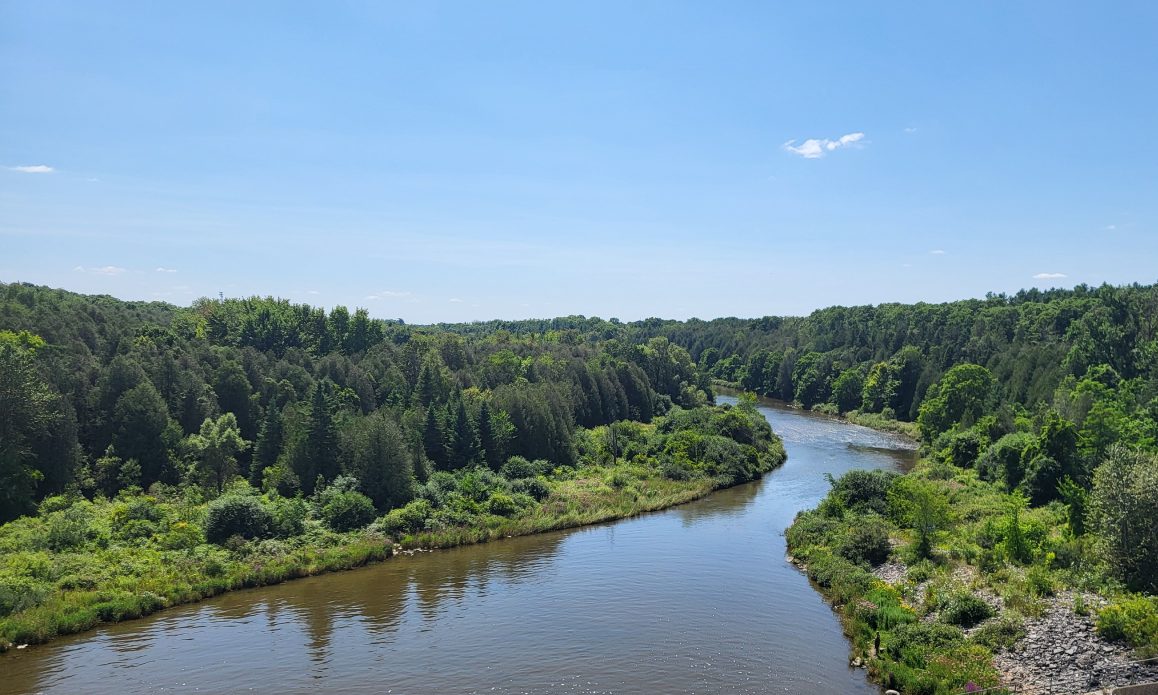
WELLINGTON COUNTY – Lining the bottom of the Grand River are tiny bugs hinting at a much larger world.
A recent sampling of the critters in their earliest stages – formally known as benthic macroinvertebrates – was recently completed after years of complaints from anglers about reduced numbers of fish and insect hatches.
Friends of the Grand River (FOGR) past chair Rob Voisin told the Advertiser anglers have voiced concern since 2017 about a lack of stocked fish surviving along a 27km stretch of the upper Grand, located between Belwood’s Shand Dam and the covered bridge in West Montrose.
Not only are the bugs essential for the area’s prized brown trout, they’re also good indicators of a river’s health.
FOGR and University of Guelph professor/researcher Ryan Prosser teamed up to sample 17 locations along the river, upstream of Belwood Lake to West Montrose, from 2022 to 2024.
Prosser did not respond to the Advertiser’s request to be interviewed for this story.
The study was a “massive undertaking,” said Moira Ijzerman, a PhD student studying water quality and a FOGR board member, who led much of the field work.
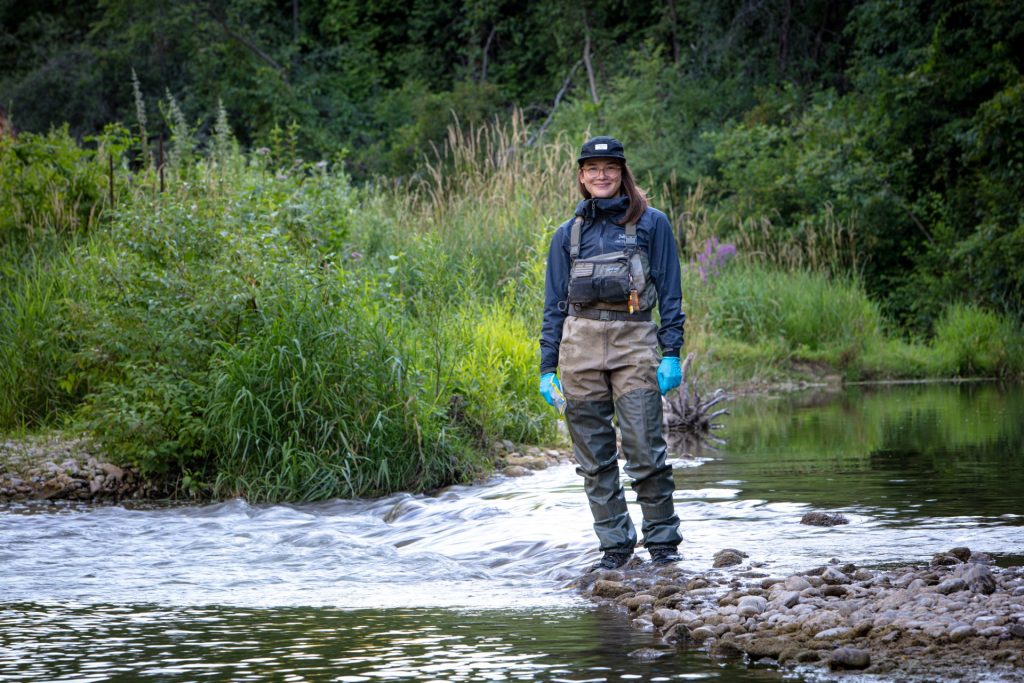
Moira Ijzerman, a PhD student studying water quality and a Friends of the Grand River board member, led much of the field work. Submitted photo
The insects were last properly analyzed around 20 years ago, by the late Ian Martin and his wife Jane Rutherford, locally renowned for their passion for the Grand River.
Results from the recent study suggest an ongoing trend of declining biodiversity right below the Shand Dam, particularly in species sensitive to pollution, before increasing farther downstream.
“That trend hasn’t gotten worse; it’s stayed the same over that 20-year period,” Ijzerman said, comparing the two studies.
It’s not ideal, she said, but at least it’s not worsening.
There is, however, a noticeable decline in the number of mayflies, stoneflies and caddisflies since Martin and Rutherford’s original study.
“They’re referred to as the three indicators of good water quality,” Ijzerman said.
Decline is notable across sample locations from Wilson’s Flats to West Montrose.
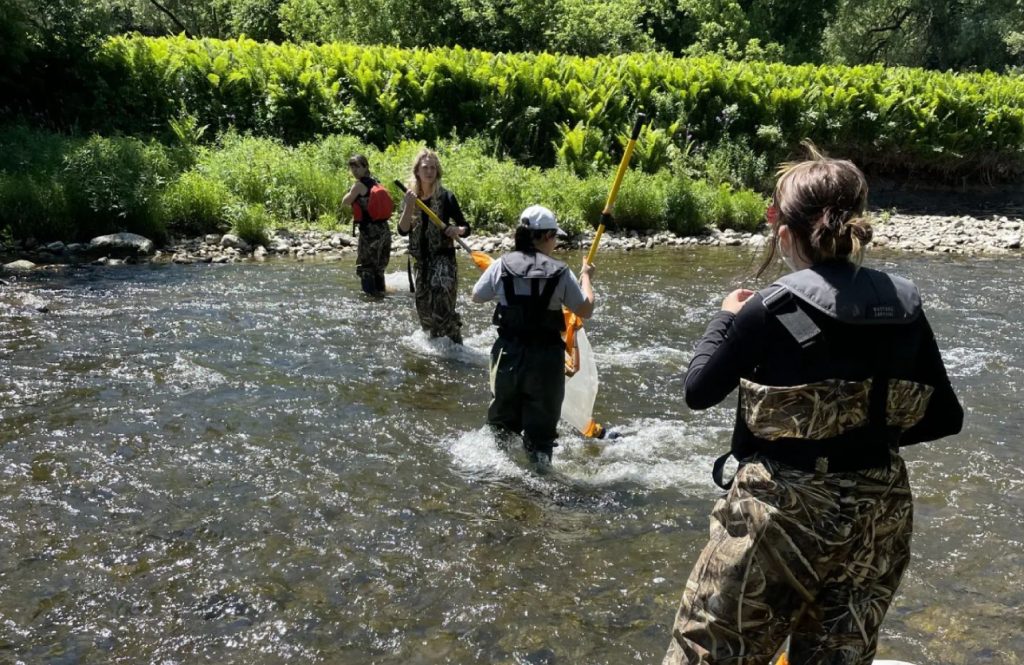
Samples of river water containing benthic macroinvertebrates are captured by nets in the Grand River during a joint Friends of the Grand River and University of Guelph study that took place from 2022-24. Submitted photo
Ijzerman said study data corroborates anglers reporting reduced insect hatches, which could indicate water quality is degrading.
But that’s a big leap, she cautioned, noting a changing habitat, pollutants and increasing urbanization could all be contributing.
The study provides the “first piece of the puzzle” in understanding the river’s health, she said.
“A lot of people care about this stretch of the river, both as a trout fishery, but also for all the tourism and how stunning the river ecosystem is. Everyone wants to see it do well,” Ijzerman said.
The Grand River Conservation Authority is combing through years of its monitoring data, such as water temperature and dissolved oxygen, to help contribute, said GRCA water resources director Jan Ivey.
Ijzerman hopes to next take a deep dive into pesticide data collected during the study.