

WELLINGTON COUNTY – In a world of constant data monitoring, reports and surveys, a simple Google search can bring you relatively accurate data on just about any issue.
However, issues such as gender-based violence don’t – and may never – have accurate data due to factors beyond the control of law enforcement, community programs and data collection agencies.
In Wellington County, gender-based violence calls are on the rise, but with so many discrepancies in data, the cause is hard to pinpoint.
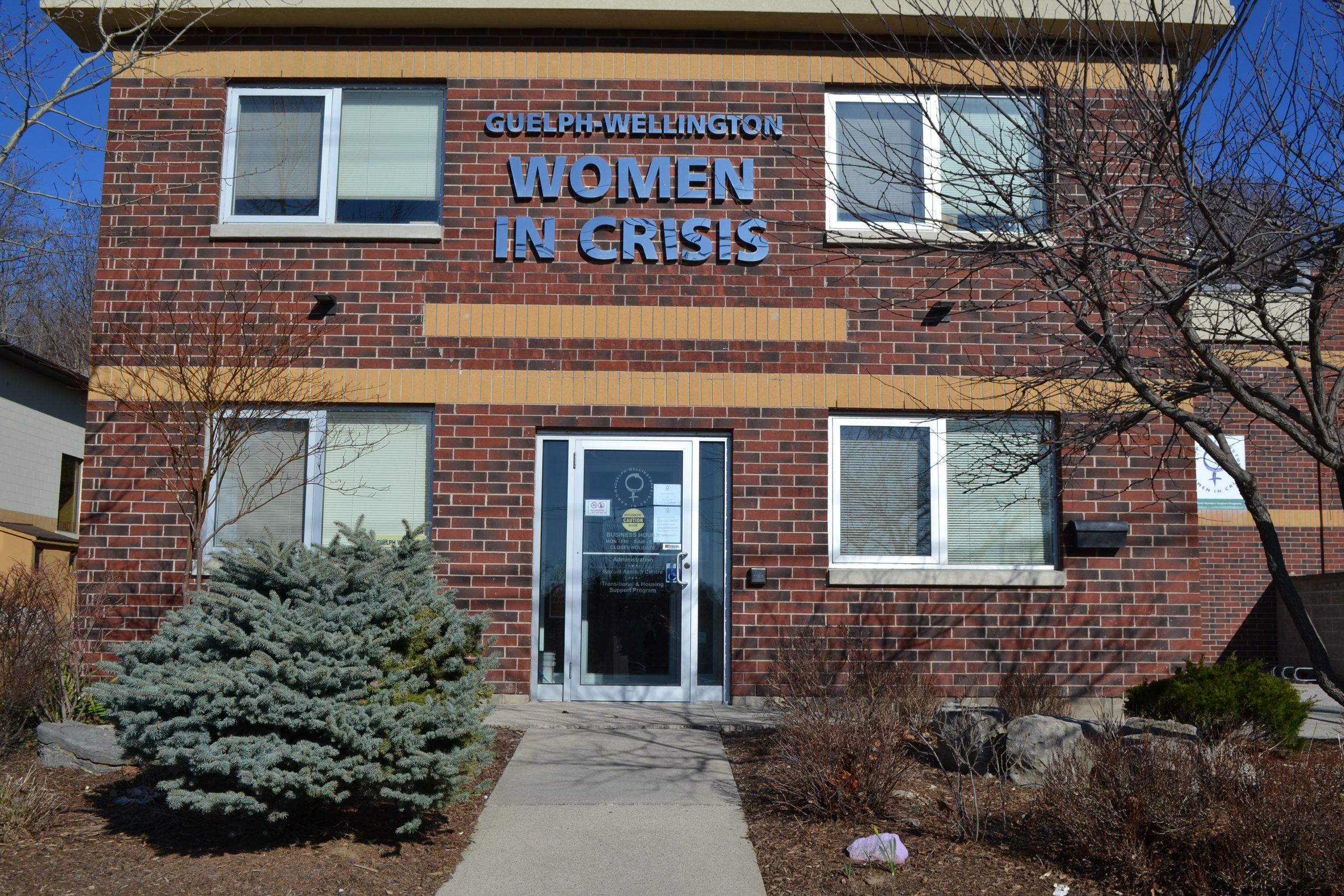
“This is a really complex issue,” said Guelph Wellington Women in Crisis (GWWIC) public educator Cindy McMann.
McMann told the Advertiser rates of gender-based violence seem to be going up.
But said it’s impossible to tell if that’s because more people are reporting or because violence is happening more frequently.
Gender-based violence refers to the types of abuse that women, girls, Two Spirit, trans and non-binary people are at highest risk of experiencing.
It can be both physical and emotional and can happen between people in romantic relationships, in families, at work and between friends, acquaintances and strangers.
Locally, McMann says GWWIC is experiencing more calls for support, with a disturbing new trend.
“The things that really alarm us are that we are seeing more clients, but we are also seeing a lot more complex cases,” said McMann.
“And we are also seeing more extreme forms of violence.”
Extreme forms of violence, such as strangulation, are being reported to GWWIC at a higher rate.
“We’re seeing abusers utilizing more dangerous and more lethal forms of violence.”
One of the main causes for data discrepancies is under reporting, which can be caused by fear of retribution, lack of local support and/or shame.
“The numbers will be, unfortunately, never accurate,” said McMann, “because people are not going to be reporting, and that’s the hard part.”
“Most people are not actually ever going to seek support from a community agency like ours [and] most people don’t report to the police if they’ve experienced gender-based violence,” she added.
“Most people just kind of settle it themselves; they look for support from friends and family.”
And while reaching out to friends and family is important, the avoidance of formal support leaves a large gap in the data related to gender-based violence, both locally and nationally.
“It’s tough to get an exact number,” said McMann.
According to McMann, based on what statistics can be recovered, 44 per cent of women and 54% of trans and non-binary people will experience intimate partner violence in Canada.
An additional 45% of teens, aged 15 to 17, experience dating violence as well.
McMann urges victims and those who know someone facing violence to call police and GWWIC at 519-836-5710.