


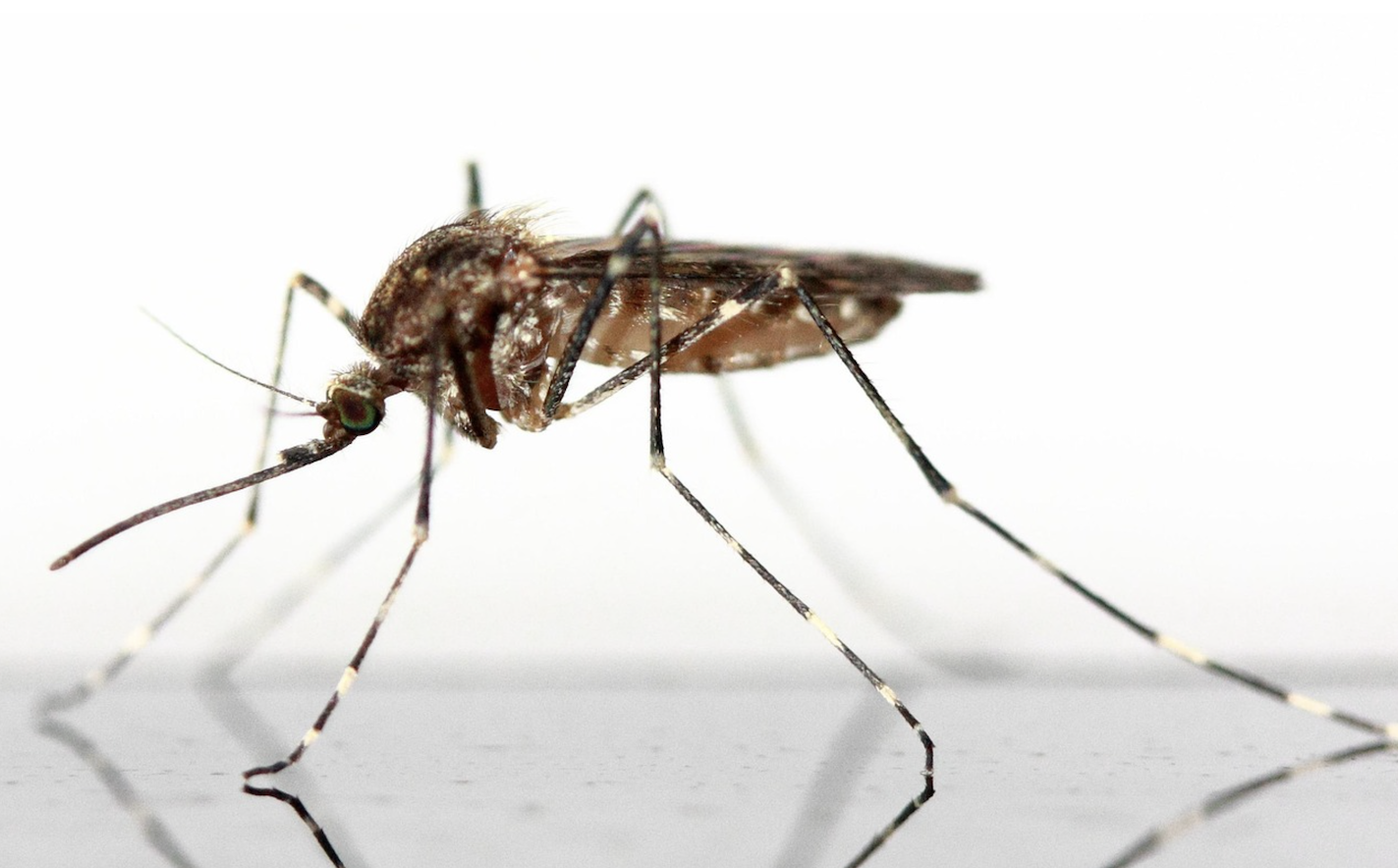
WELLINGTON COUNTY – The first confirmed case of eastern equine encephalitis virus (EEEV) in Wellington County has left a local horse dead.
An under-vaccinated two-year-old horse stabled at a private facility was euthanized after developing a fever and neurological symptoms.
“The animal had no travel history, indicating the virus is present locally,” stated a July 31 press release from Wellington-Dufferin-Guelph Public Health (WDGPH).
It also marks the first case throughout the province this year, the Ontario Ministry of Agriculture, Food and Agribusiness told the Advertiser.
The ministry stated in an email there’s no increased risk of the virus in local horses, and vaccination is the best way to thwart it.
“We encourage horse owners to ensure their horses are up to date with EEEV vaccinations and to contact their veterinarian if they are concerned,” a provincial spokesperson said.
According to the province, there have been a total of 57 cases in Ontario in the past five years.
For Pippa Hambly, of Fergus-based Glenarden Farms, the local discovery of the virus is a “mild concern.”
“It’s not very nice that it is in our area,” Hambly said.
“It’s important to eradicate these things.”
Horses in Hambly’s boarding stable are vaccinated, she said, but she will check in with a vet anyway to see what else she can do.
The rare mosquito-borne virus mainly affects horses, but also poses a low risk to humans, though cases can prove fatal in people.
The virus typically lives in birds, according to WDGPH associate medical officer of health Dr. Matthew Tenenbaum.
Similar to West Nile, humans can only get infected through a bite from a mosquito carrying the virus.
But some may not have symptoms or be aware they’re infected, Tenenbaum told the Advertiser.
“Some people can get a fairly mild illness with fever, joint pains [and] muscle aches,” he said.
Symptoms can last a couple of weeks without worsening. In rare cases, however, the virus affects the brain and can kill.
Public health has advised area doctors how to investigate symptoms and what to look for, Tenenbaum said.
Four human cases have been reported across Ontario, with one causing death. No known human cases have been reported in Wellington-Dufferin-Guelph.
That may change in the coming years with climate change, Tenenbaum suggested, as the environment becomes more favourable for mosquitoes and ticks.
“What’s changed is the parts of the world where this virus is found,” he said.
To reduce the risk of mosquito-borne illnesses, county residents should:
- wear light-coloured, long-sleeved shirts and pants, especially outdoors at dawn and dusk;
- use Health Canada-approved mosquito repellent;
- repair window and door screens; and
- drain standing water from their property (such as flowerpots, birdbaths, kiddie pools, clogged gutters).
For more information visit the WDGPH website at wdgpublichealth.ca.
