


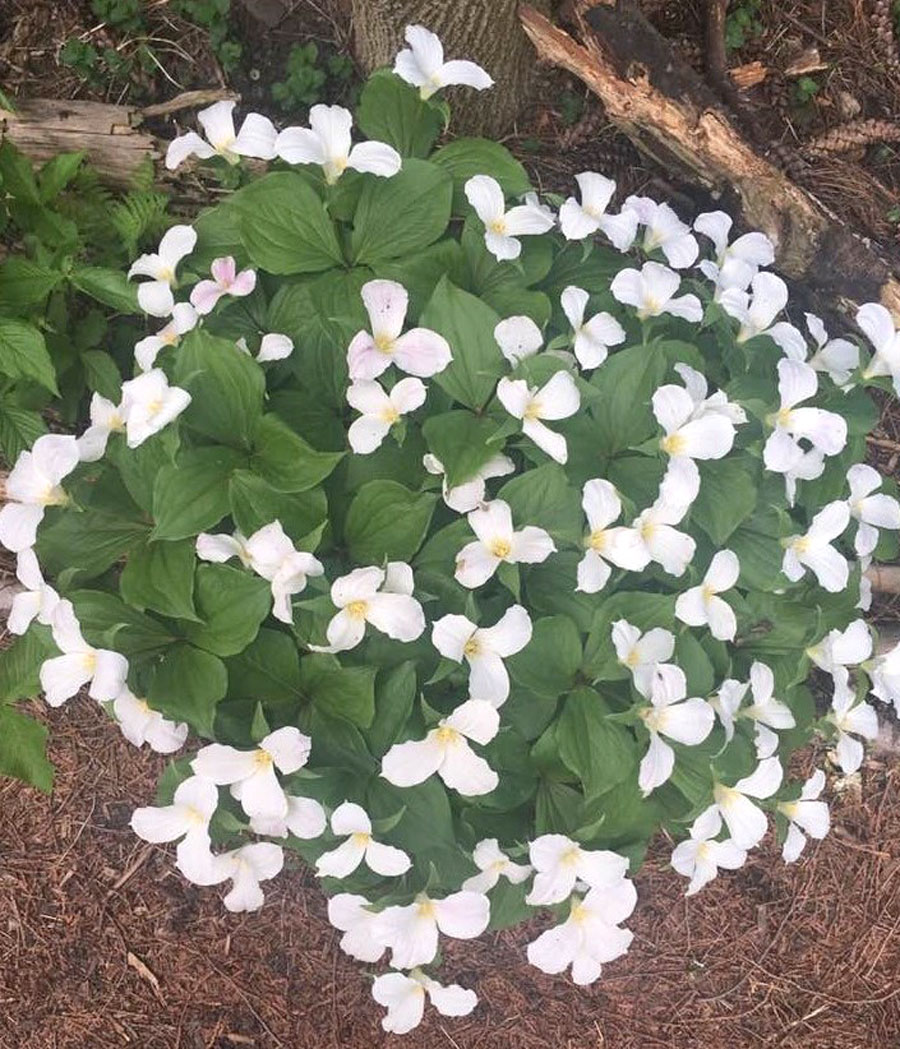
GUELPH – This season, I’ve found a quiet companion in the garden.
My father died in May and in the weeks since, I’ve taken comfort in the return of native perennials. Like grief, these plants return in cycles – predictable, persistent and softened by beauty.
Author Alice Sebold once wrote, “I like gardening – it’s a place where I find myself when I need to lose myself.”
That resonates with me, too.
The rhythm of gardening – planting, weeding, pruning – brings calm and renewal. It grounds me in the present and gently helps me navigate my loss.
In caring for the garden, I reflect the inner work of grief.
Pulling weeds and planting new life can feel symbolic; acts of clearing space, making room for healing.
Even the soil itself holds comfort: a natural microbe called mycobacterium vaccae has been shown to boost mood and reduce anxiety. In this way, the garden offers more than peace – it offers a kind of medicine.
I’ve come to think of my grief garden as a living memorial. In it, I’ve planted native flowers with meaning:
– white trillium for remembrance;
– wild bergamot for family and harmony; and
– blue vervain for emotional healing.
Each plant tells a story. Together they root memory in place, nurtured by care and time.
Grief often asks for quiet spaces to speak, remember and simply feel. That’s why I was so moved by the idea of the wind phone.
Created by Itaru Sasaki in Japan after losing his cousin, the wind phone is an unconnected telephone booth placed in a garden.
Though it doesn’t work in the traditional sense, it offered him a way to “talk” to the one he lost – to say what remained unsaid.
A grief garden can serve a similar purpose. It becomes a space for silent conversations, not just through words, but through touch, memory and care.
When I tend my garden, I feel like I’m still able to connect with my dad. The act of planting or weeding becomes a way of staying connected – of continuing the relationship, even in his absence.
If you’re also experiencing loss or just seeking a place to reconnect, consider creating a small grief garden. You don’t need much – just a few containers or a patch of ground.
Choose plants that speak to you. Care for them gently. Let them remind you that healing isn’t about forgetting.
It’s about growing forward, rooted in love and memory.
And maybe, just maybe, include a wind phone.
Submitted by Janine Robertson, Guelph-Wellington Master Gardener