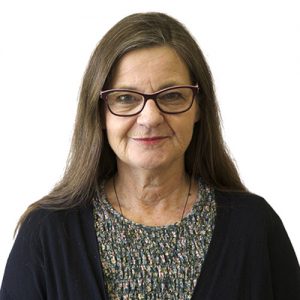

FERGUS – Two second-year students in McMaster’s medical program have started their own program to encourage high school students to consider careers in medicine.
Blossom Dharmaraj and Vivek Patil have been speaking at local high schools with the Bridge2Med program and have plans to speak at Centre Wellington District High School among others before the school year is done.
BLOSSOM DHARMARAJ
Both Dharmaraj and Patel are taking classes at McMaster’s Waterloo campus, and both had challenges getting into the program.
Dharmaraj had completed her undergrad in psychology and thought she wanted to go into research. But a placement at Toronto’s Hospital for Sick Children saw her interacting more with patients, which it turned out she loved.
“So I made the pivot to medicine,” she said in a phone interview.
“Because I made the decision late, the process was difficult to get the required courses.”
She persevered and eventually did get into the program, but she wouldn’t advise students to follow her example.
“The earlier students can prepare, the easier it will be,” she added.
Patil said he didn’t know what his career path would be when he graduated high school, so he applied for lots of different programs at different universities.
He wound up at the University of Western Ontario’s medical science program, where he was exposed to medicine, health care and patients.
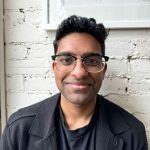
VIVEK PATIL
“Getting to talk to patients every day is rewarding, and the health care environment is great,” he said, explaining why he too made the pivot.
“I’m grateful I got this experience in my undergrad, but I feel I got exposed too late.”
So that is their motivation – to speak to students in high school and plant some seeds.
Patil said he did a rotation at Groves Memorial Community Hospital and after that decided to specialize in anesthesiology. Dharmaraj reached the same decision.
And they noted doctor shortages in every specialization, which adds some urgency to their presentations.
“Medicine is a competitive field to enter,” Patil said. “We’ve been able to meet with some high school science classes and talk about things that could lead to medical school; to consider medicine as a career choice.
“We think early exposure to the idea could fuel more doctors. If even one student walks away and thinks about it, that’s tangible. And meaningful.”
“Our thinking is that a grassroots initiative can address this,” Dharmaraj added. “Just to explain the application process. It was very daunting for me.”
They’ve had positive feedback from teachers and have received some emails from students asking to know more.
That’s key, they said, and now they know it’s making a difference.
The duo hopes to expand the program in the fall and is recruiting medical students to lead similar sessions with high school students in their areas. The dream is for this to become a Canada-wide initiative.
A grant from the Ontario Medical Students Association, approvals pending, would help greatly with their expansion plans, they said.
And they really hope they can speak with students in rural communities, as doctors often return to the place where they grew up to set up practices.
And while doctor shortages are everywhere, it’s particularly problematic in rural communities.
If students don’t think about medical careers early enough, they may never take the leap, “and that means less people applying that could be really great doctors,” Patil said.