

Wellington County looking to keep speed cameras for data collection


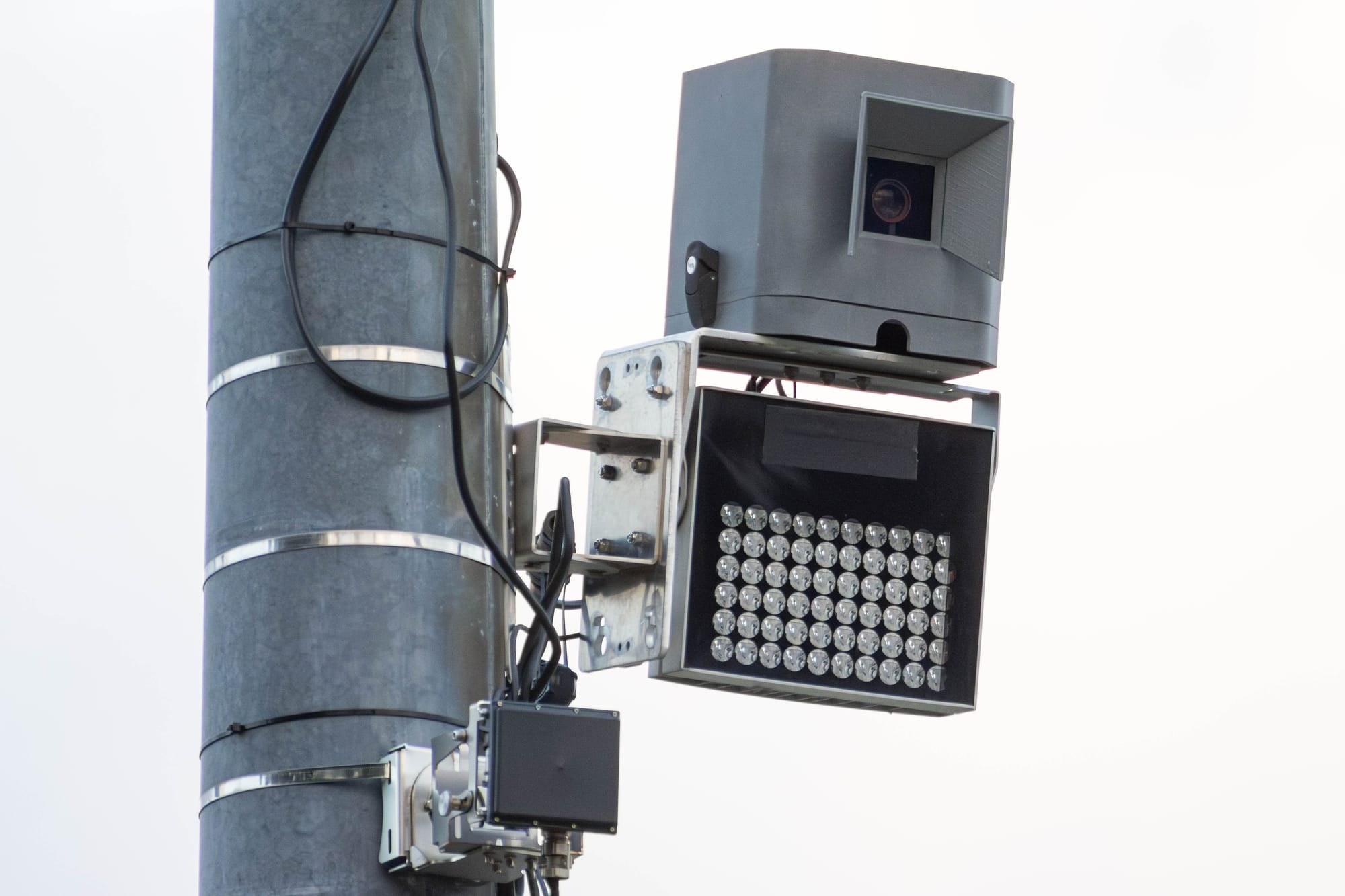
WELLINGTON COUNTY – Automated speed cameras in the county are no longer photographing speeders, but may be used to collect data on driver habits.
The last day the cameras snapped photos was Nov. 12, county roads manager Joe de Koning told the Advertiser.
The final speeding tickets, mailed to drivers the next day, still must be paid, or they can be appealed until Dec. 20.
Signs warning drivers of the cameras have been replaced by new school zone and speed limit signs provided by the province.
The changes are in response to the Doug Ford government passing legislation last month that made automated speed enforcement across the province illegal as of Nov. 14.
[related]
Next week county council will consider a staff recommendation to keep the cameras as data collection tools to track vehicle speeds and traffic volumes, rather than removing them from school safety zones.
“We’re not taking pictures of people’s cars, but it’s counting the number of cars, and it’s counting speeds,” de Koning said.
Captured data would be anonymous, de Konging said, in that no licence plates would be recorded.
Data would be collected by Alberta-based Global Traffic Group, the company that owns the local cameras, and accessible by the county via online software and periodic reports.
The county would use the data, de Koning said, “to help us determine where speeds are at now, so that we can make the right choices moving forward.”
Should council leave the cameras, the county would pay $275 per camera per month to Global until September 2026.
“Data collection could be stopped at any time earlier, but not continue beyond Labour Day,” de Koning said.
With 14 cameras – two each in seven of the county’s school zones – the cost to taxpayers for roughly nine months of data, beginning in December, works out to $34,650.
De Koning defended the proposed spending, saying the fee equates to what the county would pay for a week-long traffic study.
“We felt there was value in that,” he said.
Traffic-calming measures to replace cameras
Local mayors have criticized outlawing the cameras, which the county had welcomed in a one-year pilot that was to run until the end of 2025.
A contract between the county and Global for the pilot is void without penalty to the county because of the government’s legislation.
Mayors across the county have told the Advertiser local data suggests the cameras slow down drivers, and that the fines help pay for costly infrastructure projects.
At least $18.7 million in fines have been issued in the county over a nine-month period between mid-January and Sept. 30.
Just over 224,000 fines were issued in the same period, averaging about $83 per infraction.
Of the tickets issued, 56,971 went unpaid as of October.
The province has allotted $210 million for traffic-calming infrastructure such as speed bumps, raised crosswalks, roundabouts and signage to replace the cameras.
Of that, $42 million will be divvied out to municipalities that had speed cameras. The remaining $168 million will be application-based funding, with the process starting next year.
De Koning said he couldn’t divulge how much provincial funding the county would receive.
The Advertiser has requested comment from the MTO.


