

High school Black Student Union organizes show to celebrate Black legacy
Show to include student talent, professional performers


GUELPH – A show of Black brilliance will be on full display at Guelph Collegiate Vocational Institute (GCVI) on Feb. 26, in celebration of Black Futures Month, show officials say.
The school’s Black Student Union has been working hard outside of school hours to prepare for the show, which will include live music performances, dancing and spoken word poetry.
The theme of the show is Black legacy, which Grade 12 student Tadiwa Masakure said speaks to Black efforts for perseverance and recognition, and building the present based on the past.
It revolves around the concept of Sankofa, added teacher Natalie Brown-Lahey, a Ghanaian phrase that translates to “go back and fetch it” and speaks to the importance of looking back at history and using that knowledge to move forward into the future.
Grade 12 student Myles Seymour of Erin said Sankofa makes him think of a line in Bob Marley and the Wailers’ Buffalo Soldier: “If you know your history, then you would know where you’re coming from. Then you wouldn’t have to ask me who the hell I think I am.”
Efforts to celebrate Black excellence and build Black community are particularly important in places like Guelph and Wellington County, where there isn’t as much diversity as in bigger cities, Masakure said.
That can make life harder, especially for Black kids, so it’s vital for them to be able to celebrate and embrace their culture, she added.
Students at GCVI, with support from teachers, have organized the annual show since 2019.
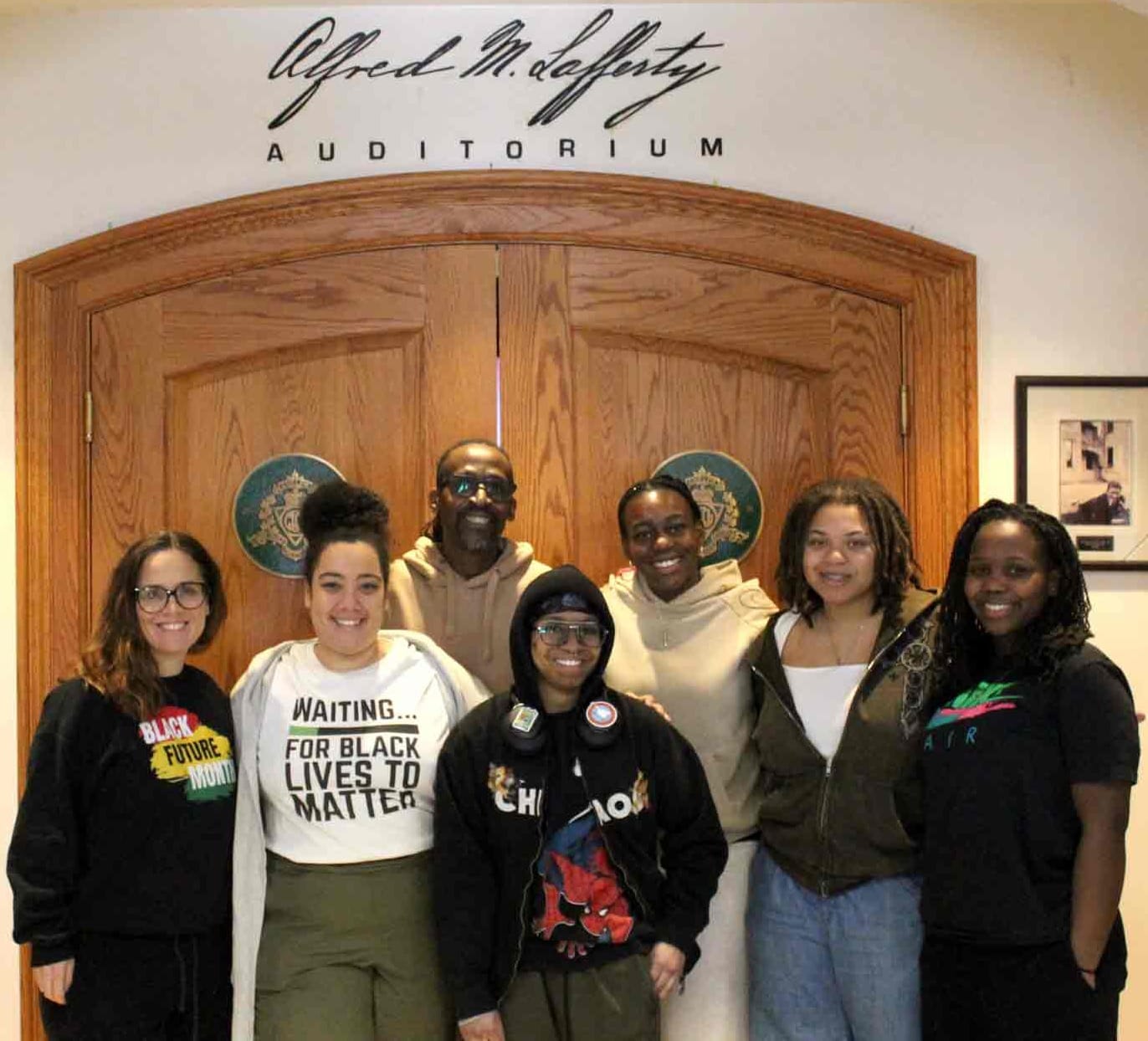
Brown-Lahey said the assembly will be a celebration of culture, including hip-hop and dancehall music, and traditional dancing from Eritrea and Sierra Leone.
Professional performers will include Afro-tribal dancer Binty Koroma, multi-instrumentalist Waleed Abdulhamid and reggae singer Jay Douglas, with the GCVI choir singing backup vocals during one of his songs.
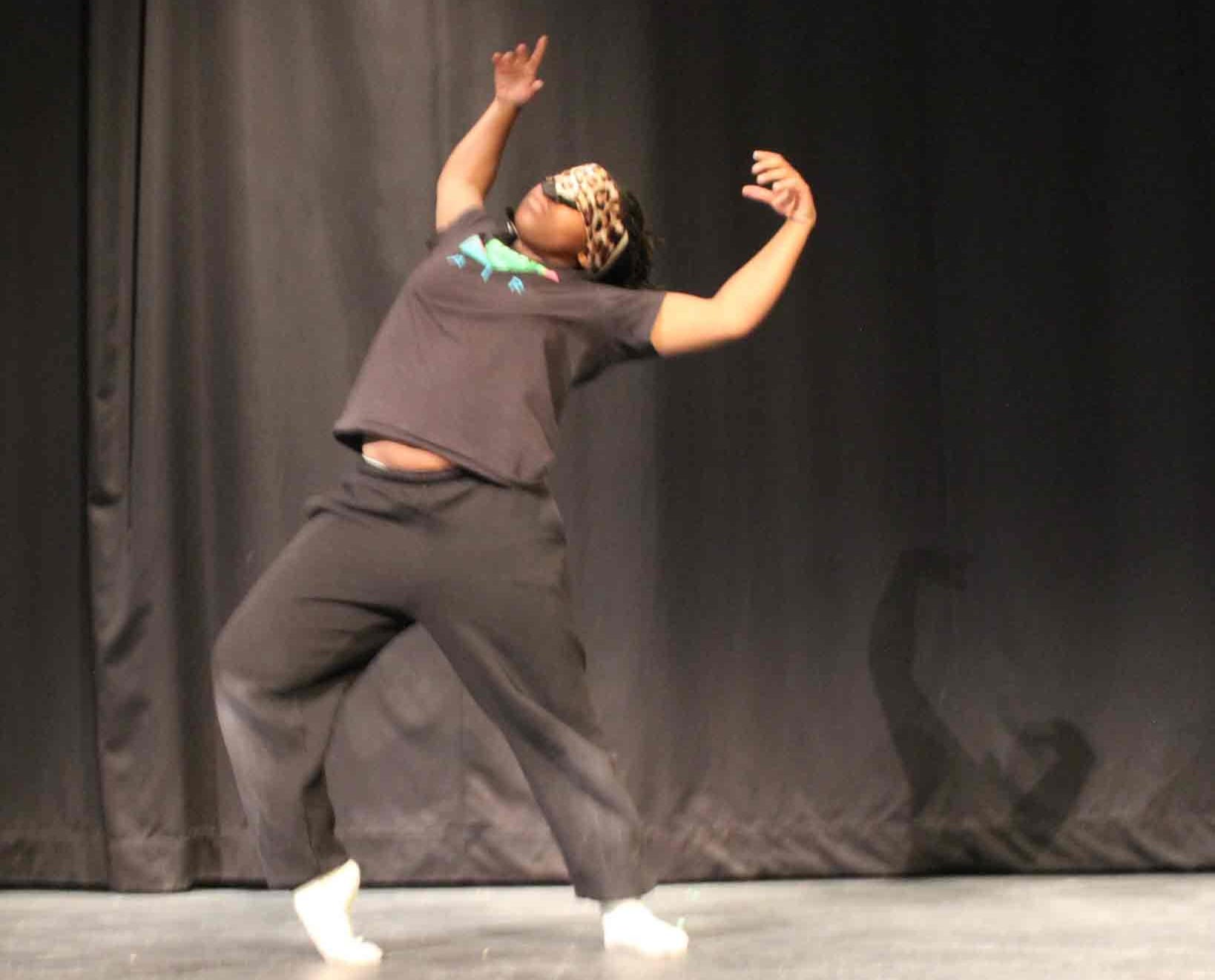
But the stars of the show will be the students, said teachers Brown-Lahay and Sarah Bolton. That includes Seymour, who will be sharing their own poetry, and Masakure, who will perform a solo dance routine.
Seymour told Brown-Lahey she may be the reason he’s still a poet – he may have put it down by now if it weren’t for her – to which her face filled with emotion.
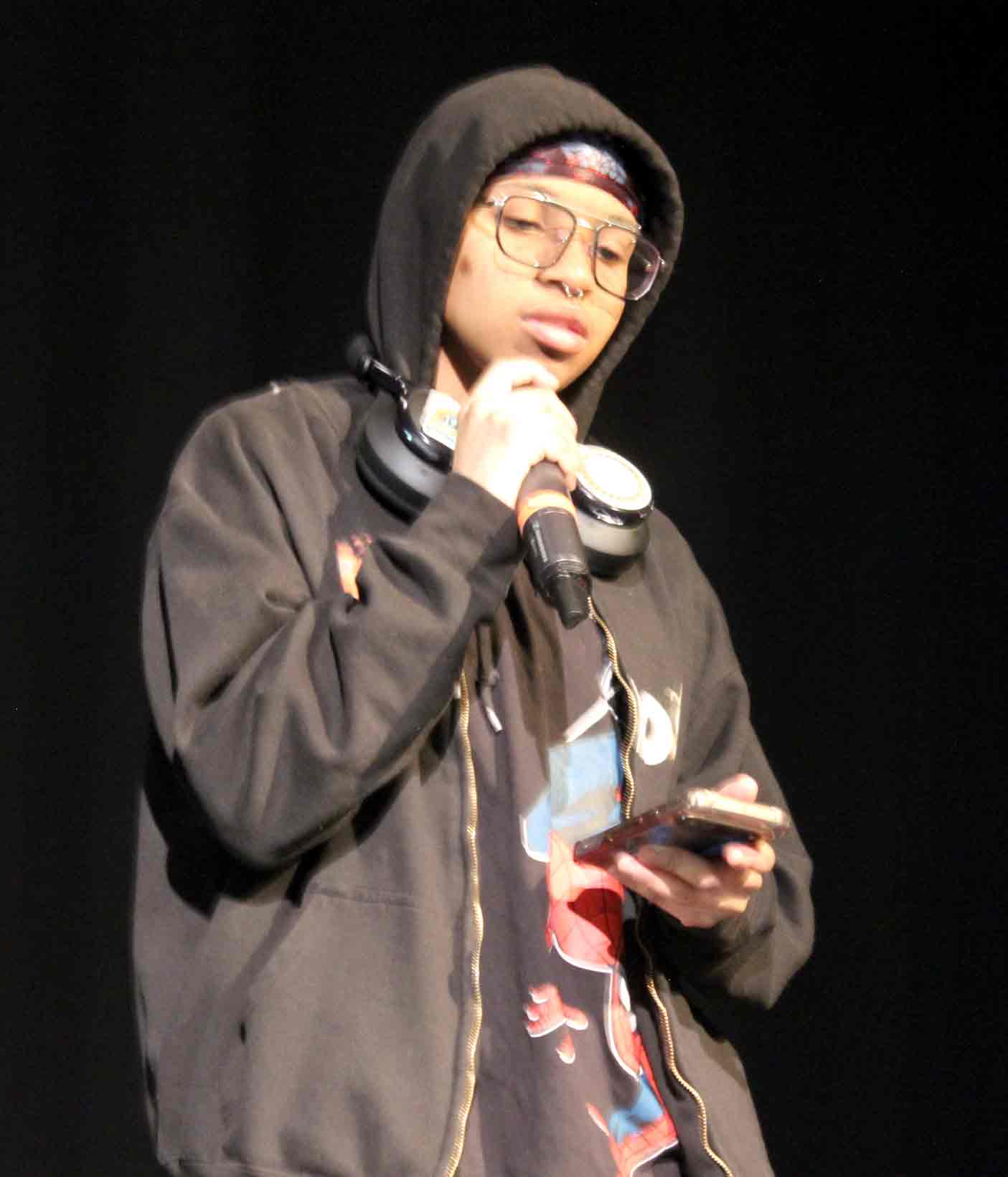
Seymour said their poetry is mostly spoken word about activism, racism, transphobia, homophobia, anti-capitalism and the destigmatization of mental health, and they sometimes compete at Guelph Spoken Word poetry slams.
Masakure is most looking forward to Black Grade 8 students visiting the high school to watch the show’s final rehearsal on Feb. 25. She said it’s important for future GCVI students to
see how Black people are celebrated at the high school.
Masakure came from a high school where she was the only Black student out of 600 kids, so she knows firsthand how important it is to see that the high school experience will be different.
The show will take place in the GCVI auditorium, named the Alfred M Lafferty Auditorium in recognition of the school’s former principal (from 1872 to 1875). Lafferty was the first Black principal of any public high school in Ontario, and he went on to become the province’s first Canadian-born Black lawyer.
The annual assembly isn’t all the Black Student Union organizes at GCVI. Asked about other initiatives spearheaded by the group, the teachers and students laughed and Brown-Lahey said: “What don’t we do?”
The group meets every Tuesday over lunch, and there are about 50 students involved at various levels.
They attend annual conferences at universities, including the African Diaspora Youth Conference at the University of Windsor and the Black Brilliance Conference at the University of Guelph, said Grade 12 student Ariel Danzell-Wright.
The conference in Windsor includes students from around Ontario as well as from Detroit, she said, and the GCVI students stay for two days and two nights.
Masakure said the university conferences are important because it’s a chance for Black youth to see there is a place for them in post secondary education.
Students in the group helped to inform decisions around creating GVCI’s new Africentric English course, as its content is rooted in local communities, Brown-Lahey said.
The group also organizes a Black Student Union Banquet every year for Black students from all Upper Grand District School Board (UGSDB) high schools. It’s catered by Big Jerk Smokehouse, a Jamaican caterer based in Kitchener, and is followed by a dance with DJ Jinx.
It’s an opportunity for the students to get to know one another, and to dance to music often not played at larger school dances such as homecoming.
And they organized a visit from Lawrence Hill, a widely celebrated Black-Canadian novelist and essayist, which included students from Black student groups across the UGDSB.
“We stop Black people from falling through the cracks in educational systems designed to promote such,” Seymour said.
Black people are underrepresented in curriculums, mental health supports and safety net planning, he added, and the group works to make up for that.
Masakure highlighted the value in having a space for Black students to come together to build community and uplift one another. “It’s a space where I feel supported,” she said.
It helps connect students to their identities and shows them being Black is something to be proud of, she added.
And it’s a place where Black students feel understood and learn how to navigate experiences that are unique to them as Black people – a skill they will carry with them in their lives after high school, she said.
Danzell-Wright said from the first time a friend brought her along to a Black Student Union meeting in Grade 9, the group felt like a family to her.
Masakure said the Black Student Union “lets us know it’s okay to ask for help, to lean on people and to feel the way you feel … it’s okay to be yourself.”


