


Black Parent Council says racism continues, school board ignoring concerns
UGDSB official: board has taken ‘tangible actions’ to address racism

GUELPH – Black parents say Upper Grand District School Board (UGDSB) officials may talk the talk about anti-racism, but they are not walking the walk.
And they say that contradiction will endure until Black students are safe.
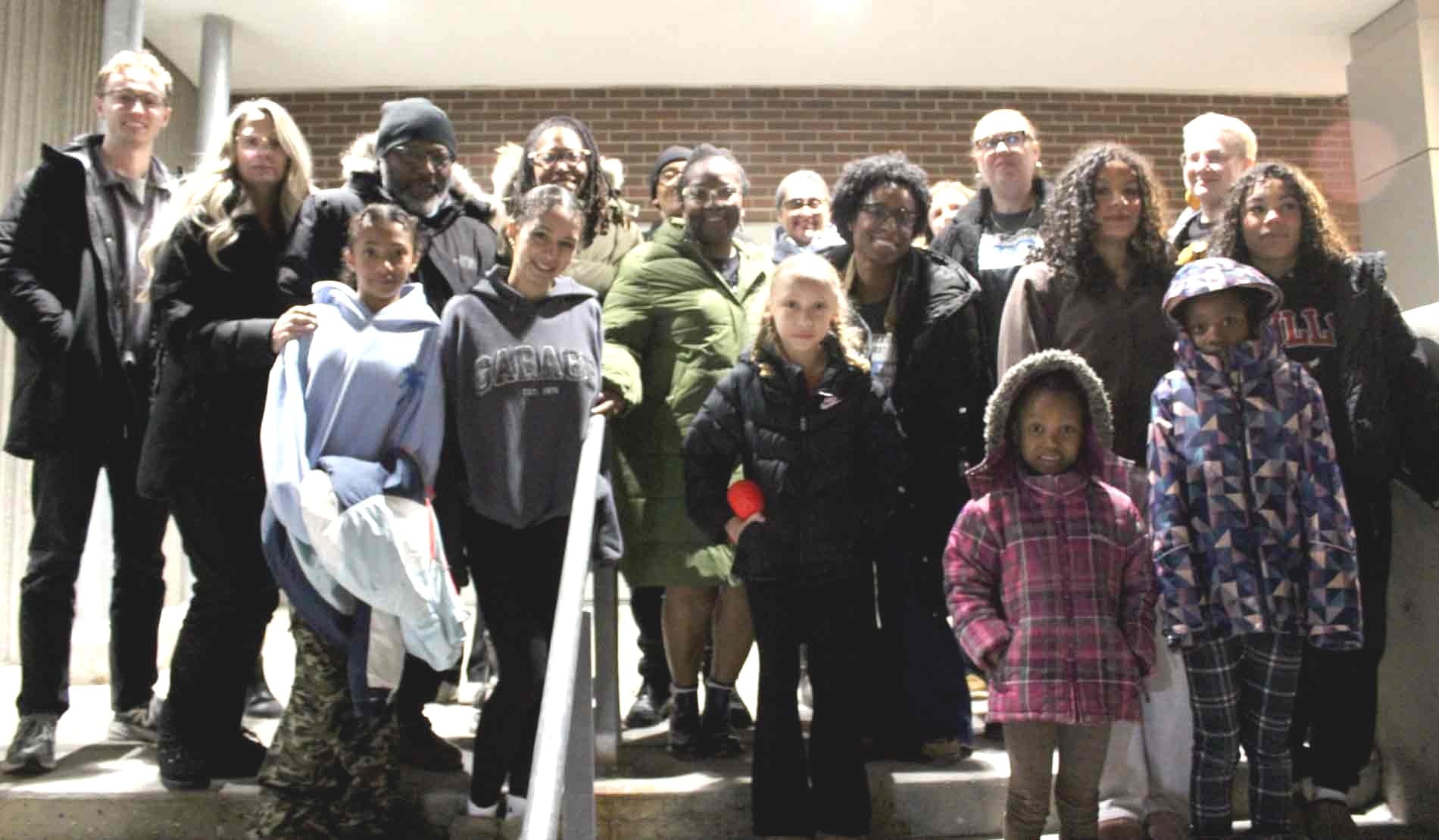
About 30 students, parents and teachers from Wellington, Guelph and Dufferin filled the board’s gallery on Feb. 24.
Most were members of the UGDSB Black Parent Council, a volunteer advocacy group there to delegate about anti-Black racism. It was their second attempt to delegate – their first was denied last May.
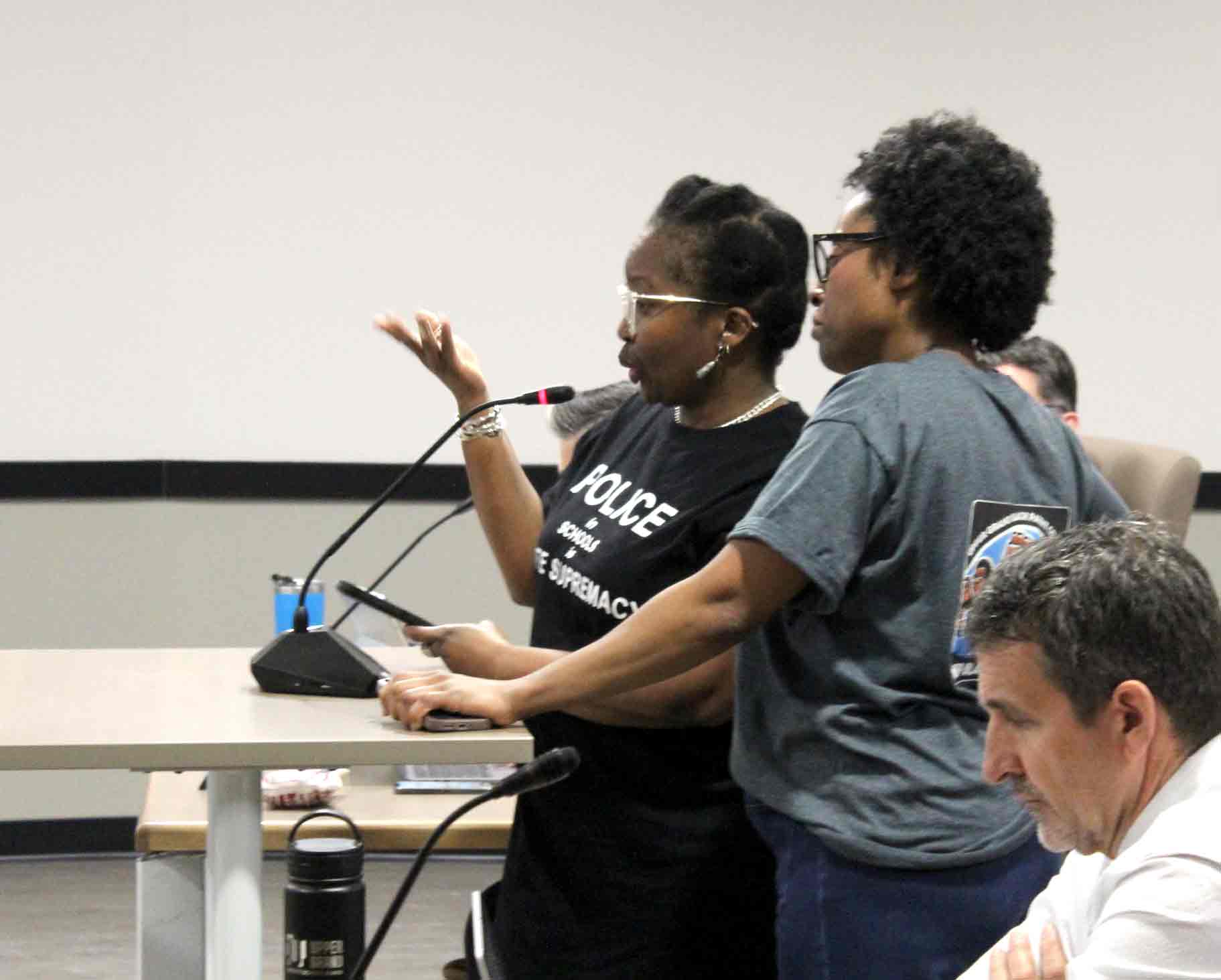
Delegates Dr. Marsha Myrie Obi and Nia James said the council has attempted to address anti-Black racism with the board but has been largely ignored.
Mothers have an instinct to protect their children, and they resist that daily to send their kids to school at the Upper Grand, Myrie Obi said.
UGDSB director Peter Sovran, chair Ralf Mesenbrink and human rights advisor Alicia Ralph would not speak with the Advertiser about the issue.
Instead, communications lead Heather Loney emailed a statement.
“The UGDSB has taken tangible actions to address anti-Black racism,” she said.
She added that includes supporting Black students, hiring third-party consultants to develop localized anti-racism action plans, launching an Afrocentric English course, implementing identity-based harm reporting tools, completing audits, hiring a human rights advisor and asking the ministry for a graduation coach for Black students.
But parents say those steps aren’t producing tangible results.
Board officials met with the council once, James said, and parents were promised next steps, including quarterly meetings.
But the Rockwood parent said the board cancelled the follow-up meeting and ignored the council’s attempts to reschedule.
“That silence speaks louder than any Black Heritage Month statement,” said James. “It mirrors exactly what Black families experience when any concerns are raised inside your schools.”
Myrie Obi, a UGDSB parent and University of Guelph political science professor, said the council is “growing daily because parents are searching for protection.”
The board would not provide examples of how harm is resolved after racist incidents, but stated responses are based on accountability, restoration and learning.
Human rights review, measuring success
The council wrote a public letter in April that included hundreds of signatures. It said Black UGDSB students are not safe and called for an equity audit of the board.
A week after the letter was published, the board announced it would undertake an independent third-party review, without mentioning the letter or council.
That review is now complete and results were set to be discussed during a committee meeting on March 3. Board officials would not share anything about the results on March 2.
But results alone will not resolve harm, Myrie Obi said. She asked how the board protects Black students and how it measures whether its approach is working.
In an email to the Advertiser, Loney did not answer questions about how anti-Black racism initiatives are measured, but said the board has increased its data collection in recent years.
During the meeting, trustee Irene Hanenberg asked parents how to measure success.
Myrie Obi said they could help the board figure that out if officials “stop ignoring us.” She added the answer deserves honour, grace, care and time, and that’s why they wanted quarterly meetings.
James suggested UGDSB officials look to Peel and Halton Catholic school boards – “They could really show you exactly how,” James said.
Trustees had no more questions and the delegates left.
Increased awareness
Nyesha Ward and James, who each have two daughters in Upper Grand schools, sat down with the Advertiser.
Ward, a UGSDB Black Parent Council member from Rockwood, said, “It was powerful how many people were in that room, especially the children,” as it shows families are impacted.
James doesn’t have much hope for change from the board, but said the increased awareness is important.
“Our group is growing ... and that’s what’s going to keep happening, until there is accountability,” she said.
And the more eyes on the board, the more careful people will be, she said. That won’t stop people from being racist, but it will make them hide it, “and that’s fine, because it keeps the children safe,” she said.
James expressed deep appreciation for the teachers who attended the meeting.
Black Parent Council
At its core, the council is “a group of parents who are trying to keep their kids safe in an educational system that isn’t designed for them,” Myrie Obi told the Advertiser.
She said the council creates “a place where we find strength and common language” and they’re building awareness that racism is not just individual incidents but part of a systemic pattern.
There are about 20 core members with others who come and go, Myrie Obi said, as they’re encouraged to participate however they’re able.
“I don’t understand why the board is so reluctant and resistant to speak to the Black parents and really support the work we are doing, because at the end of the day it helps them to do better,” she said.
The group is building other partnerships, including with local organizations and with Black parent groups across Ontario, and preparing “to take our advocacy to the next level,” including legal routes, Myrie Obi said.
“I am so amazingly disappointed with the UGDSB,” she said, adding, “I feel as though the board believes it is accountable to no one.”
She added, “You cannot claim progress without demonstrating impact. You cannot declare equity while disengaging from the very community experiencing inequity.”
She said being part of the UGDSB Black Parent Council gives her hope, as she’s part of the solution instead of “just sitting back and accepting that I have to send my child to a school every day where he is going to be unsafe.”
Myrie Obi said there are no quick fixes, and the board needs to release the human rights report and follow its recommendations.
“The only time I am going to stop is when I actually see real, tangible change,” she said.


