

Museum presentation shares personal stories of war veterans


HILLSBURGH – Appreciating what we have now and understanding the heroes who put their lives on the line is of high priority for the Wellington County Museum and Archives programming team.
Which is why for over a decade the museum has presented the Carnegie Café - Canada Fall In! program, sharing the personal stories of veterans both on the front lines and on the home front.
This year the presentation will be held at the Hillsburgh Library on Nov. 3 from 6 to 7pm.
“It’s about how the county has involved itself in conflicts throughout many years,” museum programming assistant and presenter Katie Clarke told the Advertiser.
“We always start off with the War of 1812 and Richard Pierpoint,” she said.
She called the story of Pierpoint, a Black Loyalist in Upper-Canada,“fascinating.”
An escaped slave, Pierpoint was born around 1744 in the kingdom of Bundu (a region in modern-day Senegal) and later sold to a British officer in 1760.
“He fought during a variety of different conflicts for the British and eventually was presented with land in Niagara and in Wellington County,” Clarke added. “We tell his story because he has a huge influence on the community.”
According to the Historic Sites and Monuments Board of Canada, Pierpoint fought as a free man with Butler’s Rangers, a loyalist unit, during the American Revolution. He contributed to the creation of the Coloured Corps and was an advocate for the Black community.
“One of my favourite stories to talk about is one of our Victoria Cross recipients ... Captain Frederick Campbell,” she said.
Originally from Mount Forest, Campbell’s first conflict experience was during the Boer War. He would later enlist during the First World War by lying about his age.
Many men faked their age to be old enough to enlist, but Campbell had to lie to become younger, Clarke noted.
Campbell enlisted as a 44-year-old, when he was actually in his late 40s and too old to enlist at the time. He would die of wounds on June 15, 1916 when he was encircled by Germans.
“Frederick is one of the few Wellington County residents that would be awarded the Victoria Cross,” she said.
Clarke also speaks about harrowing times through the perspective of a woman: Harriet Brydon.
Originally from Eramosa, Brydon became a nursing sister, or as they were often called, a Bluebird. “Like all medical nursing personnel, she was also given a military rank, specifically lieutenant,” she said.
This was often to ensure they were awarded official authority and equal pay. Brydon spent a large portion of her time in Northern Africa, Clarke noted.
“Most people think when we talk about WWI, WWII or any other conflicts; it’s through a man’s perspective,” she said. “But we try to look at the home front and look through a woman’s perspective.”
Clarke added, “We’re going to talk about how Canada as a whole, and then how the province tried to get more and more young women to volunteer to work in different farms all across the province, including in Wellington County.”
Other personal stories to be told include:
– Gordon Jones;
– Lincoln and Peter Brown; and
– Elmer and Amy Smith.
“There’s a lot of people who are so far removed from this particular history internationally and in Canada, and that’s in part because time moves forward,” said Clarke.
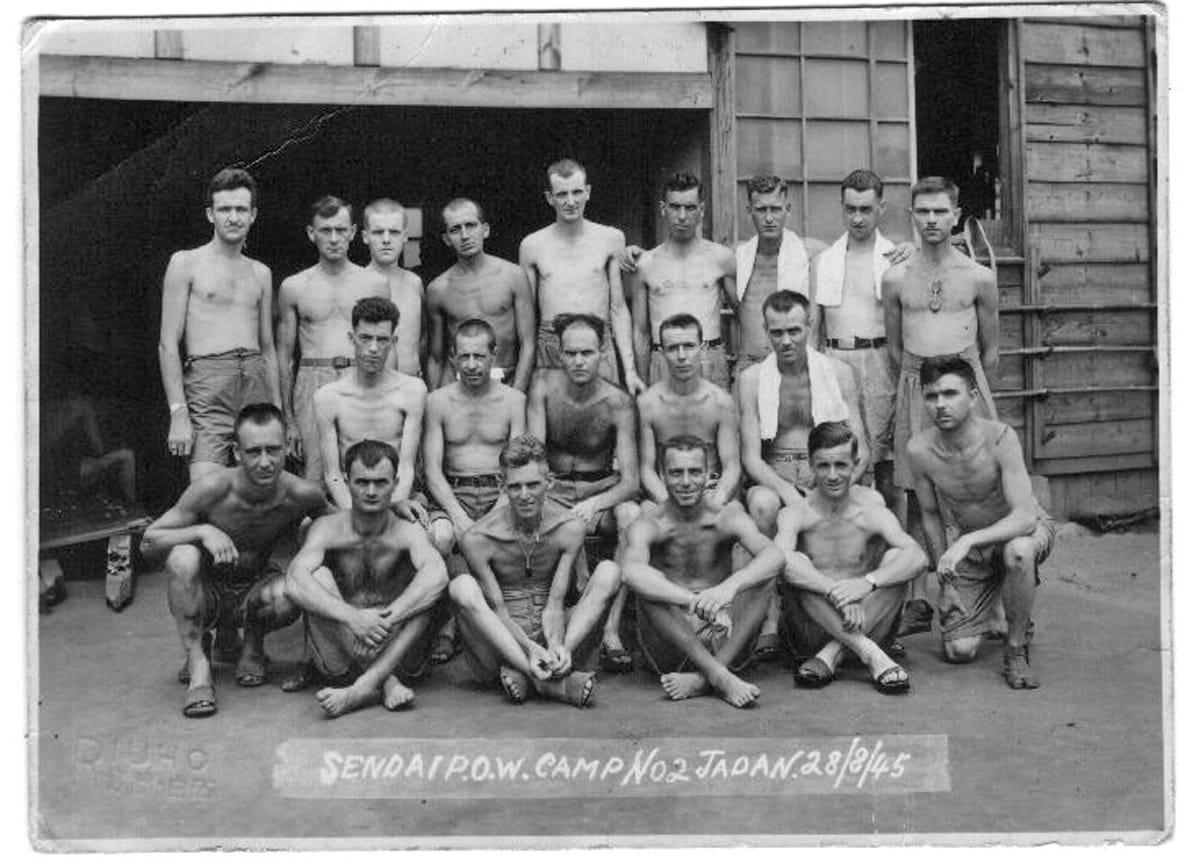
Hearing these stories offers an understanding of how the world has changed and why society has the freedom it has today – “young people giving the ultimate sacrifice,” she added.
These historical conflicts stole “entire generations,” but when given a voice “you’re able to slow down and appreciate what we have today,
“And maybe then take steps forward to try and ensure we don’t have to go through those types of conflicts again,” Clarke said.
Those interested in attending the presentation can register online at library.wellington.ca.


