


Fergus girl first in North America to receive new 'smart' hearing device
Ten-year-old Anabia Bilal receives first cochlear implant of its kind

FERGUS - “Momma, I can hear my name.”
Those were the first words said by Anabia Bilal after a new cochlear implant powered on in August and began transmitting sound from the outside world directly to Bilal’s inner ear.
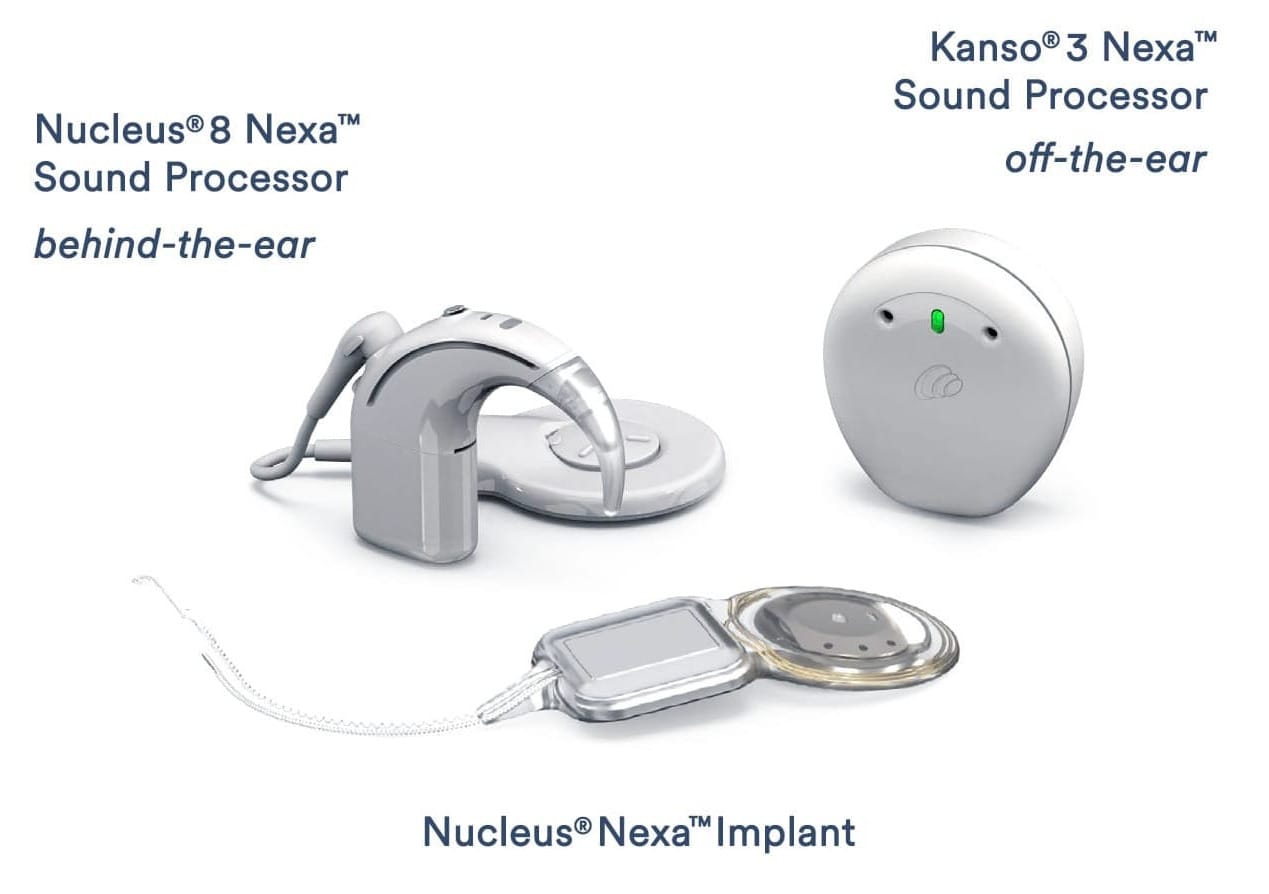
Three weeks earlier, the 10-year-old Fergus girl became the first in North America to receive Nucleus Nexa cochlear implants – the world’s first “smart” implant.
It works fundamentally the same as other similar devices. A processor, worn like a hearing aid around the ear, converts sound into electrical impulses sent to a receiver surgically inserted beneath the skin.
The signals are sent to an array that stimulates the auditory nerve, and the brain interprets the signals as sound.
But the Nucleus Nexa, manufactured by Colorado-based company Cochlear, allows for firmware updates – similar to a smartphone, to access new features and advancements.
According to the company, it’s also the first implant with internal memory to store individualized hearing settings.
Dr. Sharon Cushing performed Bilal’s surgery at Toronto’s SickKids Hospital, where she directs the hospital’s cochlear implant program.
“This was a big decision for a 10-year-old,” Cushing said.
Congenital hearing loss affects one in 1,000 children, and like many with the condition, Bilal has always worn hearing aids.
As her hearing loss became more profound over the years, Bilal and her mother Zuhra Hyder, were convinced an implant was needed. Around 150 children received implants across the province between April 2025 and March 2026, according to Cushing.
The Nucleus Nexa was approved for use in Canada in January 2025, ahead of the U.S., thanks in part to SickKids’ urging, and became available here just before Bilal’s surgery. Fifty-one children have since received the implant at SickKids.
“Future improvements, ones that are on the horizon, and ones that we can’t even imagine, are potentially going to be available to Anabia, because she got this newer technology,” Cushing said.
Bilal’s surgery, involving holes drilled through the bone behind her ears to access the inner ear, was completed in under four hours.
It was her mother who needed soothing the day of her surgery, Bilal said.
“She was more nervous than me.”
“I’m crying and she’s okay,” Hyder said laughing.
She told her daughter, “you’re brave, you’re confident.”
Three weeks of complete silence followed for Bilal, with the devices turned off, providing healing time. She and her mother texted back and forth.
Bilal said in the first weeks after her implants were activated she heard “awful” robot-like sounds, but her world has become clearer in the months since.
Blowing wind, the furnace switching on, Barbie: Life in the Dreamhouse on the TV, light switches being flicked, the clock ticking, her mom calling after her.
She can hear it all with clarity.
Cushing said Bilal’s experience is common, as the brain slowly adapts to the “new normal” of how sound is experienced.
Hyder and Bilal have returned to the hospital for adjustments and tweaks since.
Technology has come a long way since the first implant in Canada was completed in 1982, but Cushing said “there’s still lots to be done in terms of reducing the effort of listening for these kids.”
Bilal sometimes finds voices in group conversations to be muddled, and she’s working with a speech pathologist to hone in on the pronunciation of P and S.
“There are some words that I say are kind of slushy,” Bilal said.
Despite the challenges, Hyder said there’s a noticeable improvement in her daughter’s hearing and in her confidence with friends.
She’s also growing more confident being interviewed by reporters. This was the 10-year-old’s second interview after the Toronto Star ran a story earlier this month, which was shared in her Grade 5 classroom at Grand River Public School.
What Bilal loves most about the new devices has nothing to do with the attention from newspapers, however.
“With hearing aids, I couldn’t swim,” she said.
Be it at the beach or the pool at the Fergus sportsplex, Bilal loves swimming. She’s excited to be a kid and try out her new waterproof gear this summer.
“You can hear everything, even when you’re swimming,” she said.


